Affordable housing project in Phnom Penh to finish phase one in 2020
The Serey Mongkul Satellite City was designed to help low- and middle-income families
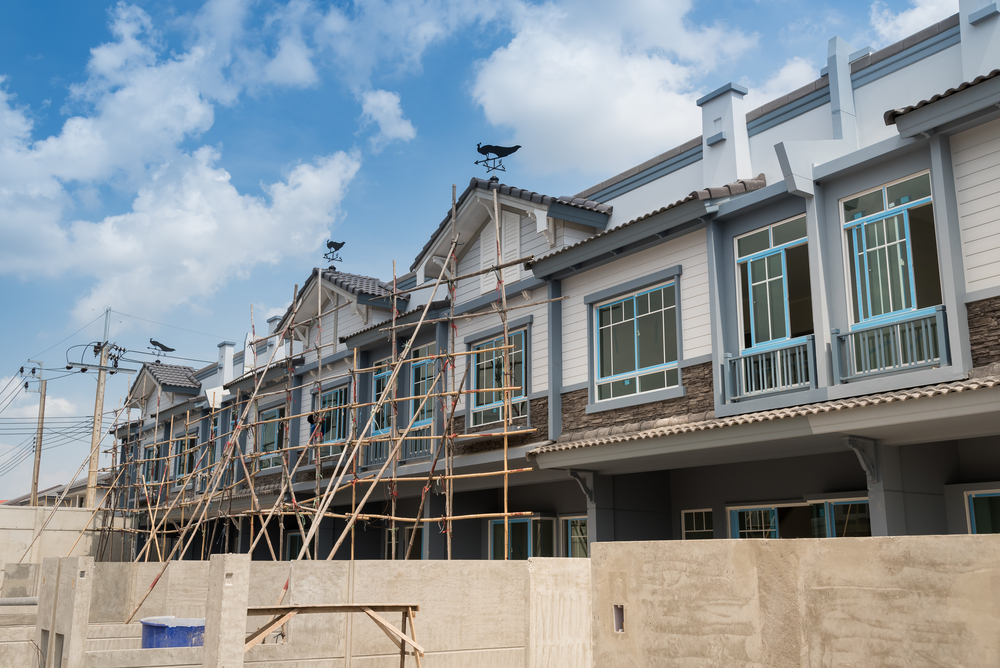
A representative from WorldBridge Homes Co., the developer behind the affordable housing development in Phonm Penh, announced on Wednesday that first phase of the project will be completed by the end of the year, reported Khmer Times.
With over 603 homes now finished, general manager of WorldBridge Homes Co. Yuk Sothirith said that they still have 2,457 homes to build on 23 hectares of land, worth about USD73 million. The handover ceremony of phase one will be held in April this year, before the Khmer New Year.
The second phase is also underway, having completed 30 percent of the development, with the general infrastructure, electricity, water supply, sewage system, and road already set up.
Yuk also revealed that 80 percent of the 603 homes completed has already been purchased, while almost half of the remaining 1,854 that are still under construction have been sold, too.
More: Hun Chansan shakes up the design scene in Cambodia
“We will hand over the houses phase by phase. Once we complete 500 to 600 houses, we will hand them over to the customers,” said Yuk. “We have planned for the whole project to be completed by the end of this year, or early 2021 at the latest.”
He said that over 30 percent of the buyers are civil servants, but he is expecting the number to change each month.
Since the Serey Mongkul Satellite City is the first affordable housing project in the country, they wanted to establish the quality and standard so other developers can utilise their framework, which offers customers more value.
The entire development will come with a hospital, some schools, markets, green spaces, gardens and parks, and a public bus station.
Seeing as this is the first project of its kind in Cambodia, deputy prime minister and minister of land management, urban planning, and construction Chea Sophara said that they will be helping with the infrastructure, including water, electricity, and roads leading to the project.
“This project will help civil servants, retired officials, workers, newly-weds, and newcomers, all who are low-income people that need good housing,” he added.
Recommended
Is China’s housing market finally turning a corner?
Shanghai’s property revival raises hopes, but falling prices elsewhere point to a long recovery
Opportunity or trap? What Washington’s high-tech hub outside Manila means for Philippine property
The New Clark City Economic Security Zone promises billions in investment, but at what cost to Philippine sovereignty?

What Japan’s policy rate hike means for its property market
After decades of near-free borrowing, the country's policy rate is starting to reshape the calculations behind property investment

A conversation with the head of Vietnam’s Green Building Council on the cost of doing nothing
The VGBC’s Douglas Snyder argues that the real cost developers should fear isn’t building green. It’s failing to do so