A Philippine resort puts island craft and community at the heart of its design
South Palms Resort and Spa Panglao puts Bohol’s materials, craftsmanship, and community first, an approach that has earned international recognition
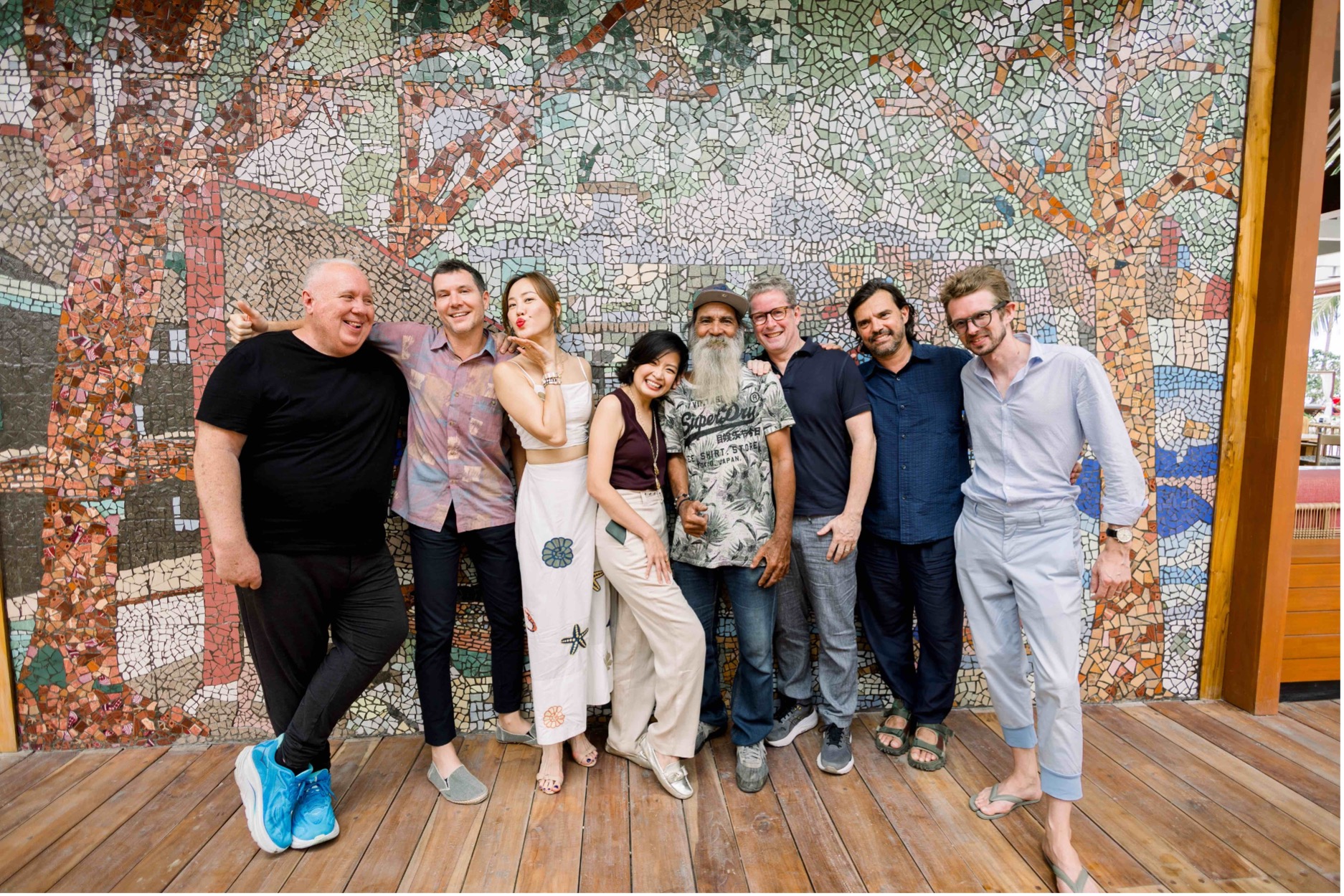
South Palms Resort and Spa Panglao – MGallery Collection has won two awards at hospitality awards programme AHEAD Asia 2026, taking top honours in both Sustainability and Spa & Wellness.
The recognition marks a significant moment for the Philippine island of Bohol, positioning it not just as a leisure destination but as a serious name in Asia’s hospitality design conversation.
The resort’s approach is built on a simple premise: development that gives back to the place it occupies. Timber reclaimed from fishing boats and typhoon-damaged structures anchors the design, while limestone excavated on site was repurposed into architectural cladding rather than trucked away as waste.
Passive design and solar energy cut operational demand, and a closed-loop approach, greywater reuse, on-site water bottling, glass recycling, and composting, keeps the resort’s footprint tight. Local sourcing runs through every layer of the experience, from Philippine-made furniture to handwoven raffia, local earthenware, and ingredients grown nearby.
Judges praised the project for its “great storytelling and locally driven narrative,” singling out its close response to both site and community as the source of its distinctive identity.
Related: Vietnam claims Asia’s top position in branded residences as luxury supply surges
“Bohol’s culture has always been generous, warm, and deeply connected to the land and sea around it, and this resort was built as an expression of that generosity, not a replica of it,” says Hope Uy, managing director of Panglao Shores, the project’s developers.
That commitment shaped every material decision inside the property. “Bohol gave us the space to play, experiment and be resourceful, but beneath it all was a strong story rooted in understanding the island rather than simply decorating with its culture,” says Patricia Ho Douven, founder of White Jacket.
“Our goal was never to make South Palms simply ‘look Filipino’, but sharing the story of Bohol through materials, craftsmanship, community and the local way of life.”
For Phillip Pond, founder of Atelier Pond, the process demanded more than research from afar. “We didn’t design for Bohol from a distance. We spent months living with its craftsmen, its materials, and its rhythms before a single line was drawn,” he said.
C9 Hotelworks served as lead hospitality consultant on the project, working alongside Panglao Shores, Alturas Group of Companies, Accor, SCSY Architects, Rchitects Inc, Enter Projects Asia, White Jacket, Atelier Pond, Topo Design Studio, and XCO2.
AHEAD Asia 2026 is part of the global AHEAD Awards programme, a hospitality awards programme organised by Sleeper magazine to celebrate the best new hotel architecture, interior design, and guest experience.
The Singapore ceremony, held 11 September 11 at Pan Pacific Orchard, opened the AHEAD Awards’ 10th-anniversary series.
About Bill Barnett
 Bill Barnett — a globally recognised hospitality, tourism, and real estate advisor — is the founder and managing director of Asia-based C9 Hotelworks and esteemed member of the PropertyGuru Asia Property Awards (Greater Niseko) Judging Panel.
In addition to being a leading consultant, he is a frequent speaker at industry events and conferences. With over 30 years’ experience in the Asia Pacific region, he has an extensive background in hotel operations, development, and asset management. His past employment highlights include Senior Corporate roles at international hotel chains and publically listed companies. Bill is considered to be one of the foremost industry experts in the hotel residences sector. To date, Bill is the author of four books on travel, property, and hospitality under the titles of Slave to the Bean, Collective Swag, It Might Get Weird and Last Call.
Recommended

A conversation with the head of Vietnam’s Green Building Council on the cost of doing nothing
The VGBC’s Douglas Snyder argues that the real cost developers should fear isn’t building green. It’s failing to do so

These 6 projects are among Asia’s greenest in 2026
Proof that better buildings are defined as much by how they operate as how they look
Indonesia’s property market feels the pinch of a reeling rupiah
As Jakarta tightens its grip on strategic minerals, investors are fleeing, leaving the property sector in limbo

Japan’s cities boom as rural towns hollow out
Millions of homes sit abandoned as the forces reshaping Japan's property market pull in opposite directions