Property prices for Singapore residences soar in 3rd quarter
Seeing as there are still macroeconomic uncertainties, investors are considering repositioning their assets
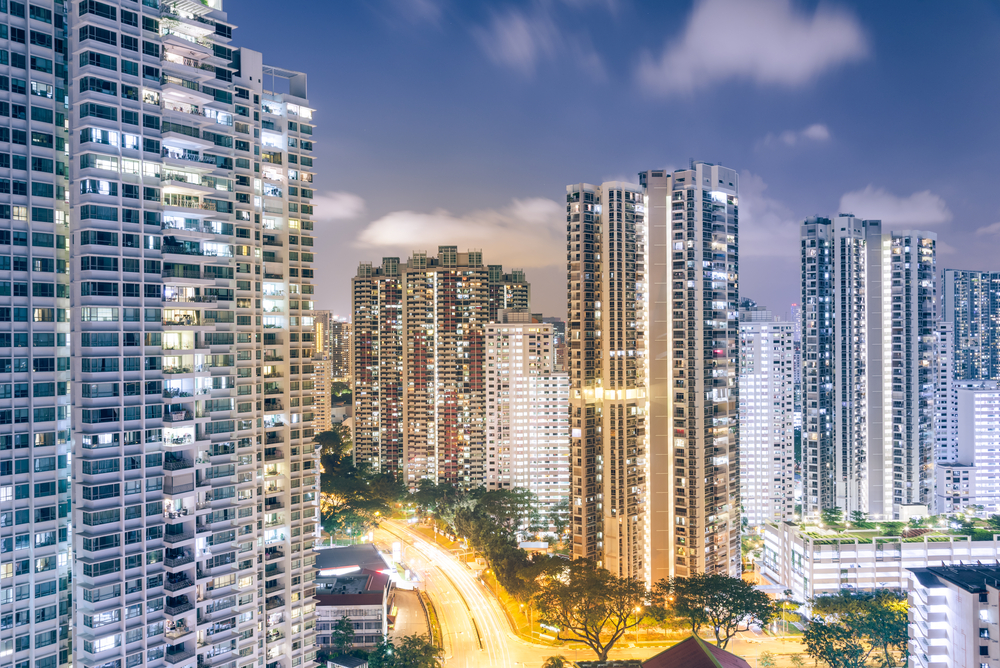
According to Singapore Business Review, homebuyers’ confidence improved in the third quarter of the year as the economy started to gradually reopen, prompting prices for landed and non-landed properties to rise.
Prices for landed properties surged 3.7 percent in the third quarter, while prices for non-landed properties rose 0.1 percent in the same quarter, revealed a report published by the Urban Redevelopment Authority.
Regionally, prices for non-landed properties across all regions grew, with the core central region (CCR) recording a 3.8 percent rise, the rest of the central region (RCR) documenting a 2.5 percent increase and the outside central region (OCR) reporting a 1.7 percent growth.
Christine Sun, the head of research & consultancy at OrangeTee & Tie, said that the price increase indicated improved consumer confidence as economic sectors have started to reopen.
She said that several wealthy buyers and long-term investors have been searching for properties since most of them want to reposition their wealth from risky assets, particularly with the macroeconomic uncertainties still present.
More: HDB upgraders in Singapore to reinforce current surge in condo sales
“Investors were scouring for gems in the market whilst owner-occupiers were snapping up ‘star-buy’ units released by property developers,” said Sun.
Meanwhile, rentals of landed and non-landed properties in RCR both accelerated by 0.3 percent, while rentals for landed and non-landed in OCR jumped one percent, respectively. In CCR, however, rentals in landed and non-landed spaces respectively declined by 0.1 percent and 2.1 percent.
Sun explained that the increase in the number of people renting homes could be due to the work from home setup that most companies had to establish because of the pandemic.
“There seem to be more Singaporeans renting homes recently. Some prefer the privacy and convenience of living apart from their families, especially with more people working from home,” she said.
“A growing number of tenants have been opting for shorter leases as many have the intention of moving elsewhere if they manage to find cheaper accommodation. As leases are now shorter, there will be more transactions recorded over time,” added Sun.
Recommended

A conversation with the VGBC’s executive director on the risk of not building green
The Vietnam Green Building Council's Douglas Snyder argues that the real cost developers should fear isn't building green

These 6 projects are among Asia’s greenest in 2026
Proof that better buildings are defined as much by how they operate as how they look
Indonesia’s property market feels the pinch of a reeling rupiah
As Jakarta tightens its grip on strategic minerals, investors are fleeing, leaving the property sector in limbo
Japan’s cities boom as rural towns hollow out
Millions of homes sit abandoned as the forces reshaping Japan's property market pull in opposite directions