Thai hotels confront gloomy outlook amid the COVID-19 outbreak
With near-zero occupancy rate, most operators will have to resort to temporary closure
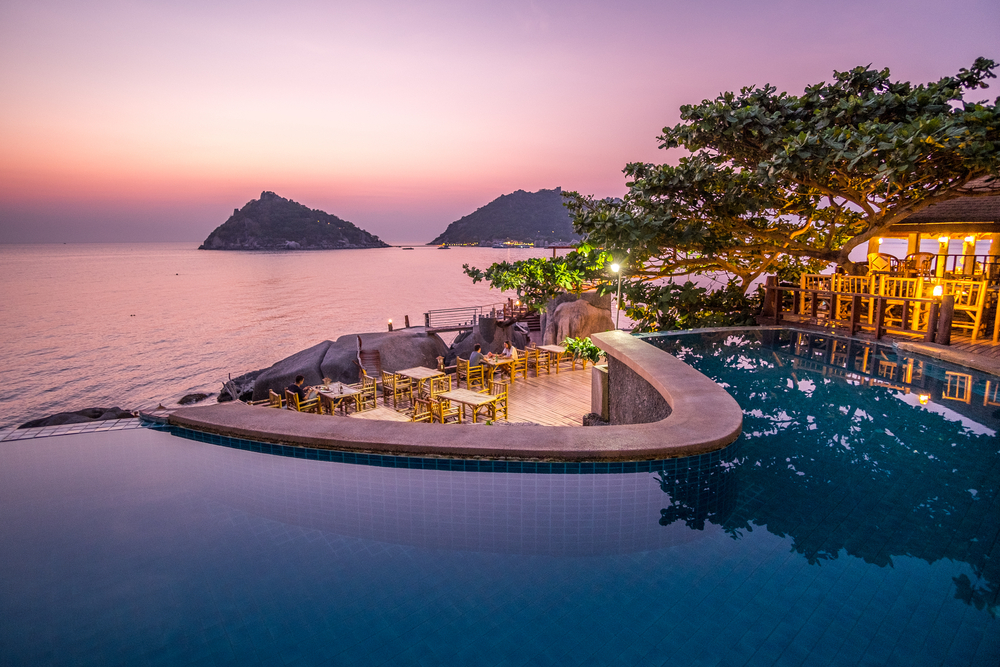
Thai Hotel Association (THA) revealed that most hotels in Thailand would have to face temporary closure as the COVID-19 pandemic has substantially reduced occupancy rates to near zero, particularly in high-risk areas, reported Bangkok Post.
“There is no need to talk about the occupancy rate today, as many hotels in Bangkok and other provinces don’t have any guests left,” explained Supawan Tanomkieatipume, the THA president.
“Some of our members have only 10 to 20 rooms occupied. More closures are expected, even if they haven’t been announced yet.”
For the meantime, long-stay tourists in the South, like in Phuket, could help with the occupancy, but most of them will likely go back home before the local government enforces more stringent lockdown measures.
Supawan said that hotel operators would be struggling to stay afloat for over three months without guests. Several hotels are still doing their best to avoid dismissing employees, but regularly paying their salaries would soon become a problem.
More: Coronavirus outbreak to further disrupt property investment sales in Thailand in 2020
She says that although they are hopeful that the hotel segment will bounce back in the future, they cannot ignore the fact that this will be a long-term concern for them.
“The future of each hotel depends on cash flow,” she added. “Selling the properties is impossible because nobody is going to buy hotels at this time.”
For the first half of March, the occupancy rate for Phuket hotels were at 60 percent, but this number dropped by about five to six percent as authorities announced travel restrictions, preventing travellers from entering the kingdom.
Because of this, most hoteliers have implement the leave without pay policy to maintain their business.
“If this stagnancy lingers for the next 6-9 months, hotel operators will have to consider layoffs,” said Suksit Suvunditkul, the chief executive of Deevana Hotels and Resorts, and the vice-president of THA’s southern chapter.
Recommended
Is China’s housing market finally turning a corner?
Shanghai’s property revival raises hopes, but falling prices elsewhere point to a long recovery
Opportunity or trap? What Washington’s high-tech hub outside Manila means for Philippine property
The New Clark City Economic Security Zone promises billions in investment, but at what cost to Philippine sovereignty?

What Japan’s policy rate hike means for its property market
After decades of near-free borrowing, the country's policy rate is starting to reshape the calculations behind property investment

A conversation with the head of Vietnam’s Green Building Council on the cost of doing nothing
The VGBC’s Douglas Snyder argues that the real cost developers should fear isn’t building green. It’s failing to do so