Malaysia to court Chinese buyers with overhang homes
Housing ministry calls on investors in Hong Kong and mainland China to purchase unsold properties
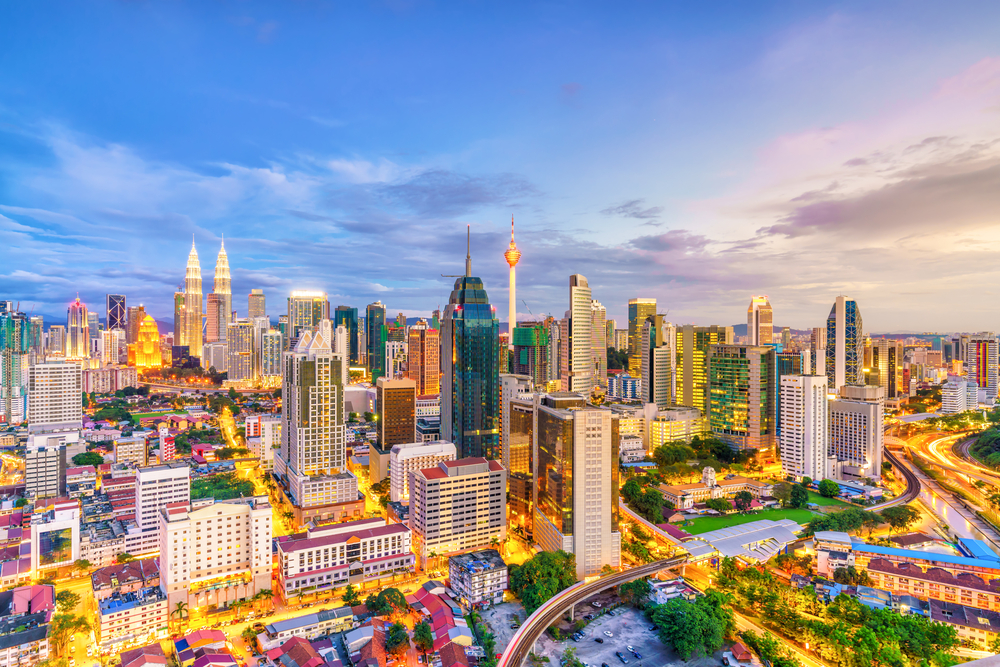
Even a minister can’t afford a high-end home in Malaysia.
This was the observation of housing and local government minister Zuraida Kamaruddin, speaking to reporters Wednesday on the sidelines of a smart city conference in Hong Kong, the Malay Mail reported.
The federal minister believes Chinese buyers can help address the overhang of homes in the country, in lieu of Malaysians priced out from upscale properties.
“I was thinking of our unsold units which is about MYR100 billion (USD24 billion) worth of the higher market,” said Zuraida. “I’m not talking about the lower market, so I was thinking about organising this HOC campaign in China or in Hong Kong where we can attract these people to come and buy homes here.”
More: PropertyGuru Asia Property Awards (Malaysia) 2019 with record numbers
Zuraida aims to formally propose to the Cabinet, with an eye toward promoting the plan under the Malaysia My Second Home (MM2H) programme.
High-end homes in Malaysia are comparatively cheaper than apartments in Hong Kong, she stressed. “In fact, it’s cheaper to buy homes here instead of there and to fly, with the price of travelling making it cheaper to have homes in Malaysia than in Hong Kong. I went to one unit of flat there at 250 square feet; it cost RM3 million. Even a minister can’t afford a home there.”
Malaysia is host to more than 45,000 completed but unsold residential properties as of 2018.
Recommended
Is China’s housing market finally turning a corner?
Shanghai’s property revival raises hopes, but falling prices elsewhere point to a long recovery
Opportunity or trap? What Washington’s high-tech hub outside Manila means for Philippine property
The New Clark City Economic Security Zone promises billions in investment, but at what cost to Philippine sovereignty?

What Japan’s policy rate hike means for its property market
After decades of near-free borrowing, the country's policy rate is starting to reshape the calculations behind property investment

A conversation with the head of Vietnam’s Green Building Council on the cost of doing nothing
The VGBC’s Douglas Snyder argues that the real cost developers should fear isn’t building green. It’s failing to do so