10,000 low-cost homes up for grabs in Myanmar, thanks to Malaysian developer
Massive affordable Yangon housing project to span 74 hectares
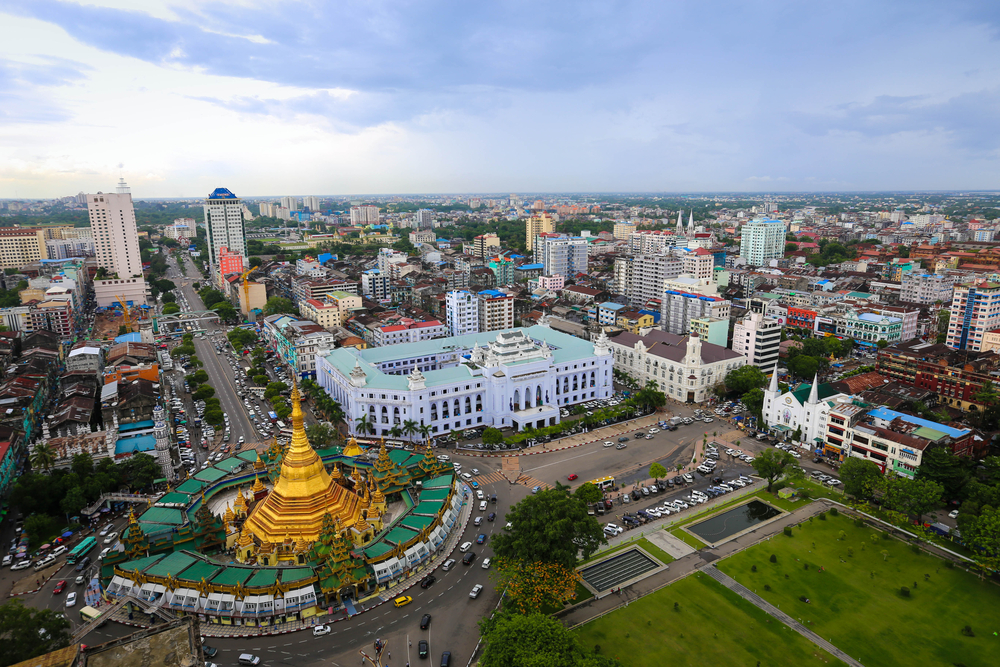
A renowned Malaysian development firm is setting its sights on Myanmar.
Kuala Lumpur-based developer Berjaya Land will begin constructing “smart”, affordable residential properties in 2020 as part of a massive, three-phase development in Yangon, the Myanmar Times reported, citing the company’s chief executive Datuk Pee Kang Seng.
Covering 74 hectares of land, the USD624-million project will commence in January and complete over a six-year period, Pee briefed various Malaysian media on the sidelines of the Malaysia-Myanmar Connect seminar in Yangon.
More: The birthplace of the Pegu Club cocktail opens its doors once more
“It will take maybe about six years to complete. But, we will start off with affordable housing, as it is primarily important, before we start looking at profit. I think if you come to a country like Myanmar, it is a recognised fact that housing is inadequate here,” Pee was quoted as saying by Bernama.
“So, this being the case, we can really look at affordability… whether people can afford expensive houses. To move forward, I think we need to address the affordable housing segment.”
The development will yield some 10,000 residential units in the low-cost pricing range. The developer has also reportedly allotted space for commercial structures, including some 1.2 million square feet in retail space, with plans for hospitals and international schools.
Recommended

Japan’s cities boom as rural towns hollow out
Millions of homes sit abandoned as the forces reshaping Japan's property market pull in opposite directions

What Johor’s data centre boom means for those living beside it
Malaysia's data gold rush is reshaping the state, testing the balance between investment and liveability

South Korea’s apartment developers wrestle with solar mandates
New regulations are forcing residential developers to generate their own energy

6 projects designed for people and planet
Sustainability has shifted from buzzword to blueprint, and this new generation of buildings proves it