Cambodian prospects amidst oversupply and global shifts
The country explores the impact of short-term profit prioritisation, lack of transparency, and new investment avenues in its property market
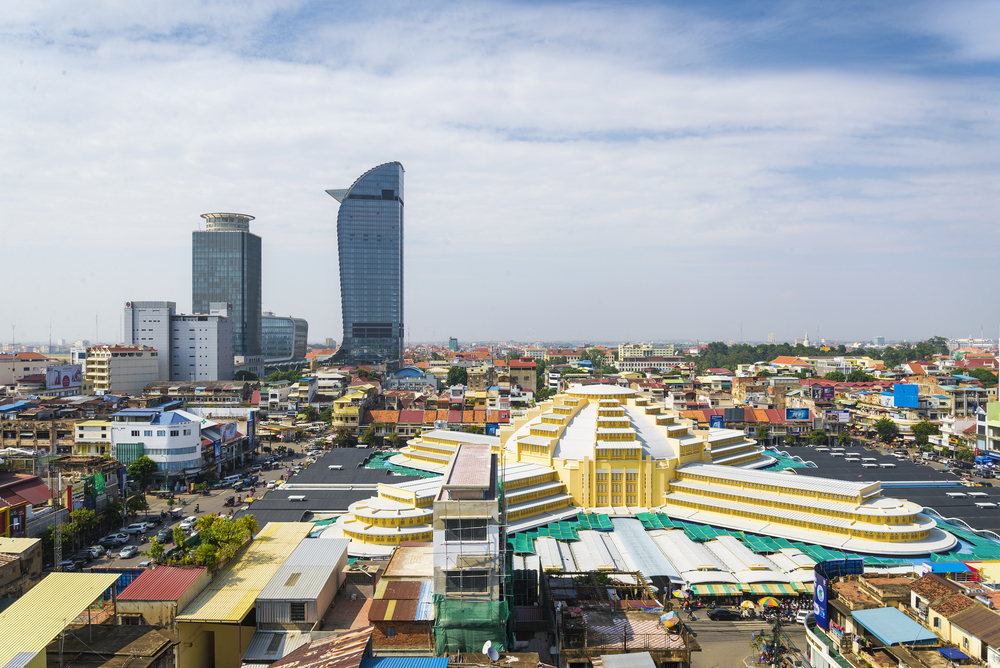
Real estate in Cambodia faces an oversupply issue as developers prioritise short-term profits, leading to unsold houses. According to news site Cambodianess, experts note that the lack of transparency in the market contributes to this problem. Construction projects often fail to meet consumer standards, offering high-priced units and inadequate parking. Rapid conversion of agricultural land and technical, construction, and market problems exacerbate the supply-demand imbalance.
The oversupply is particularly notable in condominiums, commercial buildings, and flat houses, with domestic and foreign demand discrepancies. High profits, pre-COVID prosperity, risk-free bank-backed purchases, and long-term loans have driven oversupply. A lack of regulations and data hinders assessment and proper development.
The Cambodian real estate market has been on a strong growth trajectory for the past decade, but in 2023, it faces challenges due to global economic changes, reduced Chinese demand, and an oversupply of projects. CBRE Cambodia’s Mid-Year Review highlights these issues, examining Phnom Penh’s commercial and residential real estate sectors in H1 2023. Lawrence Lennon, CBRE’s MD, discusses the sector’s complexities exacerbated by global slowdown.
Related: A vision for the region: Cambodian real estate poised for growth in 2023
Inflation-driven costs and decreased Western consumption have impacted Cambodia’s exports, particularly textiles. Foreign Direct Investment also decreased due to China’s export and real estate sector problems, though global recovery from COVID-19 offers hope. Despite a retail sector slowdown, prime high street rents are recovering as retailers shift focus and new projects integrate entertainment-based offerings.
The Securities and Exchange Regulator of Cambodia (SERC) plans to officially authorise real estate investment trusts (REITs) this year to boost the real estate and construction sectors, as reported by The Phnom Penh Post. REITs are investment vehicles that pool individual investor capital to purchase and manage income-generating real estate properties like apartments, hospitals, and malls.
Although specific names and numbers of approved fund management firms remain undisclosed, the SERC aims to roll out the REIT market in partnership with them, fostering smoother industry operation. This initiative is praised by experts like Century 21 Mekong’s CEO, who expects REITs to enhance public trust, funding opportunities, and growth in Cambodia’s real estate industry.
The Property Report editors wrote this article. For more information, email: [email protected].
Recommended
South Asia’s property markets edge back from the brink
After years of turmoil, South Asia’s real estate sectors are stirring back to life, buoyed by reform and renewed investor confidence

How property can be a force for good in Asia
Real estate is no longer seen only as an engine of profit but as a measure of how societies value people
What comes next for Southeast Asian real estate in 2026
From return-to-office realities to climate and tech disruptions, Southeast Asia’s residential markets are being reshaped by deeper forces

Foreign demand recalibrates in Southeast Asia housing markets
Even amid global headwinds, Southeast Asia’s property markets hold appeal for foreign buyers