Joining forces to share power in a period of recovery
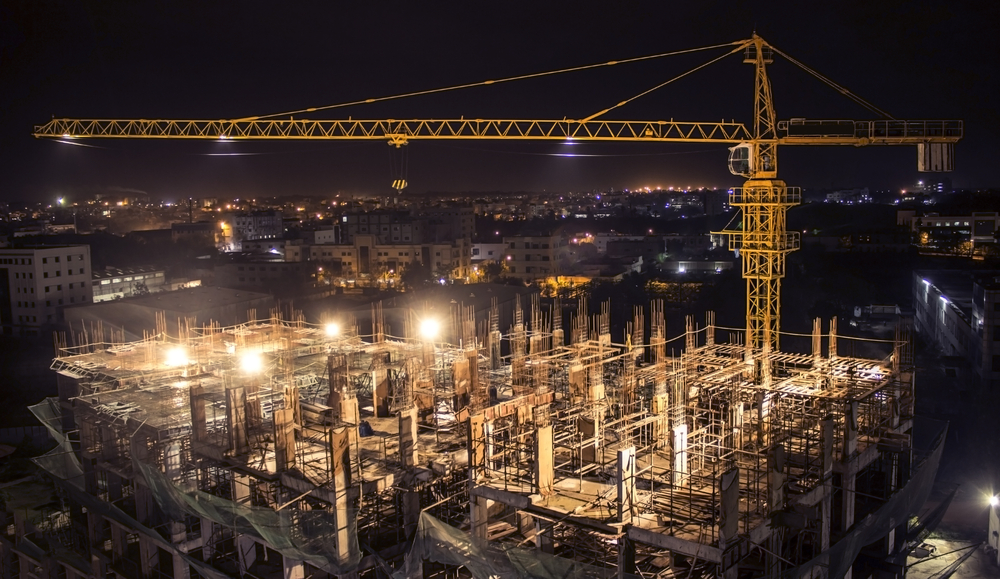
Thailand’s residential sector is predicted to make a strong post-COVID recovery, and behind the planned residential projects and countless number of cranes that populate Bangkok’s skyline lie the migrant communities powering Thailand’s robust and growing construction sector.
Despite their contribution, migrant workers are often invisible and rarely acknowledged as equal stakeholders in real estate developers’ sustainability reports. The lack of acknowledgement means the lack of engagement, which, in turn, translates to shortfalls in risk and materiality assessments. A weak materiality assessment only deepens supply chain risk — hiding from the problem does not solve the problem.
Worker welfare deserves attention
There are developers and construction contractors, however, who have begun to pay attention to the welfare of the workers at the bottom of their supply chain and take action to improve these workers’ standard of living. This is part of their efforts in addressing unseen risks and driving positive social change.
In tackling the significant challenge of engaging workers, these companies have invited civil society to work together. Through such collaboration, developers can assess the hidden human rights impact of business operations and relationships throughout the lower tier of their supply chains and generate change for worker communities.
“Doing it alone will have a small impact; however, if we do it together, it will generate a massive impact.”
–Chiang Mai Rimdoi
Not going at it alone
This approach can support businesses as they claim to credibly understand and address their operational risks. Given the fractured and complex nature of construction supply chains, building an understanding of hidden risks requires first understanding the reality of the workers themselves.
“We would like to see a better constructor sector. However, we don’t have enough knowledge of the process to help society or how to improve the quality of life of people living in construction sites.”
–BUILK One
Civil society can provide the necessary expertise to develop tools and training for effective engagement with workers. Such initiatives are gaining traction across sectors and supply chains where specialist organisations collaborate to tackle complex and invisible problems hidden in supply chains. As the Thai property and construction sector is poised to follow, the Asia-Pacific real estate sector can seize this momentum to become part of the responsible business movement.
This article was originally published on asiarealestatesummit.com. Write to our editors at [email protected].
Recommended
Trust gap slows Chinese tourism and property investment in Thailand
Scam-related narratives accelerate a shift in tourism and property investment away from Thailand
Timor-Leste real estate takes off as nation joins ASEAN
Early signs of a property market emerge amid land-title reform and cautious foreign interest
Macau market weakness persists despite economic rebound signs
As Macau’s gaming revenues surge back to life, its residential property market remains stuck on a losing streak
Seoul’s luxury homes roar back on global demand and scarcity
Once cooled by demographics and policy, the South Korean capital's luxury housing market is surging again