Southeast Asia’s luxury market bounces back
The market shows resilience and a good growth rate with the help of the younger generation
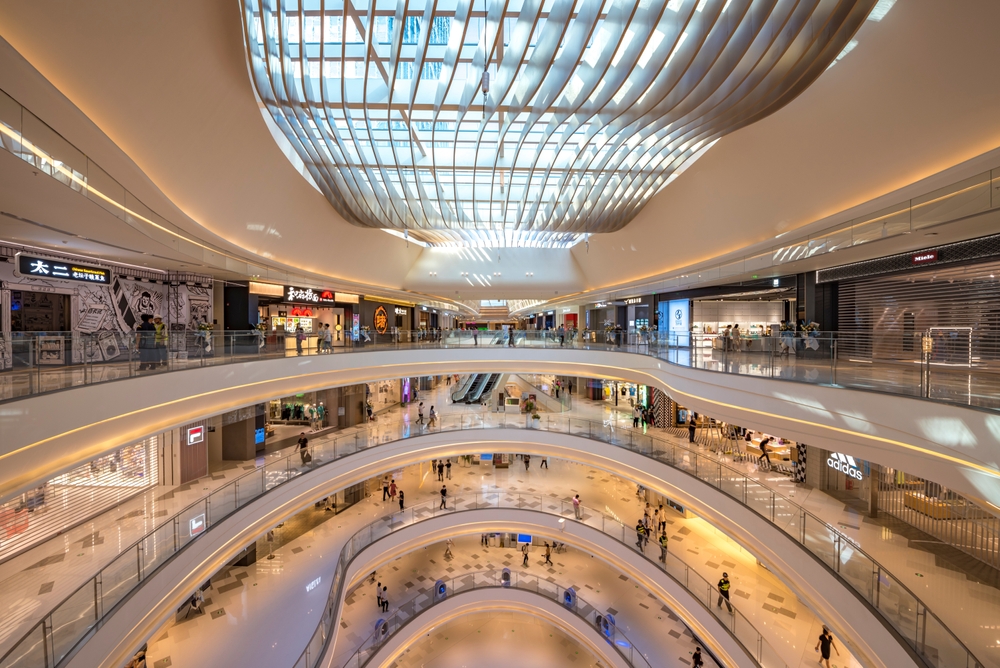
Despite operational and revenue challenges caused by the pandemic, the luxury industry in Asia Pacific has shown remarkable resilience, according to retail magazine Retail Asia. Asia is now the world’s biggest luxury marketplace, with personal luxury goods sales in the region reaching USD114.06 billion in 2021.
However, the market is divided between countries where domestic activity has supported sales and driven recovery, and those which have suffered badly due to a lack of tourism and travel. In Southeast Asia, many destinations have been hit hard by the absence of high-spending international tourists, but are expected to recover once tourism resumes.
The reopening of tourism led to the growth of the luxury market, as reported by retail intelligence site Retail in Asia.The global luxury market grew back to USD1.26 trillion in 2021, following a sharp contraction in 2020.
Related: Luxury properties in India gain traction, piquing interest from HNIs and NRIs
The market for personal luxury goods also saw “impressive growth” in 2022, recording an increase of 22 percent in retail sales value compared to 2021. The report highlights China as crucial to the long-term future of the luxury market, but the country faced headwinds due to Covid lockdowns, with sales likely to be down in 2022 compared to 2021. India’s luxury market could expand to 3.5 times its current size by 2030.
As the global luxury market recovers from the pandemic, luxury media newsletter BurdaLuxury noted that the industry is adapting to new opportunities and trends driven by a new generation of customers. Experiential luxury, including bespoke travel and eco-consciousness, is the sector’s fastest-growing category, particularly in Asia, Africa, and South and Central America.
Meanwhile, personal luxury goods, such as designer apparel and leather goods, are benefiting from revenge spending, particularly among younger consumers. Established heritage brands, such as Chanel and Louis Vuitton, are particularly popular. Sustainability and greener consumerism are trending across industries, leading brands to explore ways to take advantage of the luxury resale market.
The Property Report editors wrote this article. For more information, email: [email protected].
Recommended
Why cities plan for decades but finance only for years
Chantale Wong on how mismatched timelines between cities and capital are stymieing Asia-Pacific’s urban future
Industrial heat meets residential cool across Malaysia real estate
A server-farm boom powers Malaysia’s property market while residential recalibrates around affordability and caution
Young buyers hold the key to unlocking Bangkok’s empty homes
The Thai capital's skyline still rises, but the market seems out of sync with its next generation of buyers
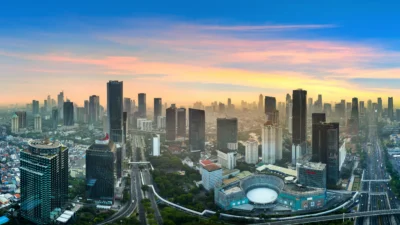
Investors double down on Jakarta despite Nusantara’s political rise
Density, demand, and capital flows continue to anchor real estate momentum in Greater Jakarta