This city near Shanghai will cap home price rises
The ‘Venice of China’ is seeing incendiary appreciation rates
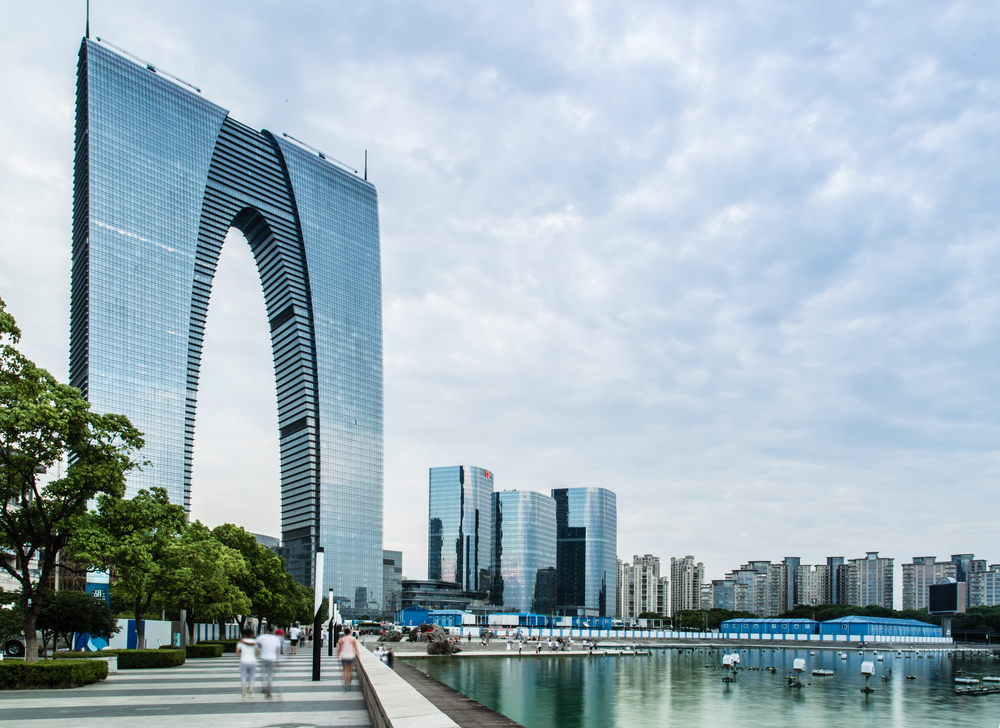
The government of Suzhou, a tier-two city close to Shanghai, will limit increases in annual new home prices this year, the South China Morning Post reported, citing a report published Monday in the state-run publication Paper.
In a meeting with developers Friday, Suzhou housing authorities proposed restricting the increases to five percent, with “fresh curbs” to be implemented in July if key gauges fail to cool, the Post noted.
For perspective, the average new home price in Suzhou stood at CNY22,160 (USD3,259) per square metre in May: a year-on-year increase of 8.45 percent, according to the consultancy CRIC.
More: Why China is dithering on a national property tax
Home to 10.7 million, the so-called ‘Venice of China’ has seen its property market heat up due to a strengthened market sentiment and low mortgage rates.
Suzhou’s proximity and improved connectivity to Shanghai — Kunshan county in Suzhou is now connected to Shanghai’s metro network — have been an impetus for immigration, noted Zhang Antao, an agent with Suzhou-based housing brokerage Deyou.
“Many buyers flocked to the market to buy a second home after news that land parcels were being auctioned at large premiums. They bought their first home three to four years ago, and have seen their values spiralling up, and wanted to repeat the success,” said Ge Wenwen, a Suzhou-based analyst with CRIC.
A manufacturing hub, Suzhou hosts many electronics and tech companies from Japan, Singapore and Taiwan.
Recommended

These 6 projects are among Asia’s greenest in 2026
Proof that better buildings are defined as much by how they operate as how they look
Indonesia’s property market feels the pinch of a reeling rupiah
As Jakarta tightens its grip on strategic minerals, investors are fleeing, leaving the property sector in limbo

Japan’s cities boom as rural towns hollow out
Millions of homes sit abandoned as the forces reshaping Japan's property market pull in opposite directions

What Johor’s data centre boom means for those living beside it
Malaysia's data gold rush is reshaping the state, testing the balance between investment and liveability