Brace for Bangkok condo market slowdown: analyst
The scales are tipping toward oversupply as market observers await equilibrium
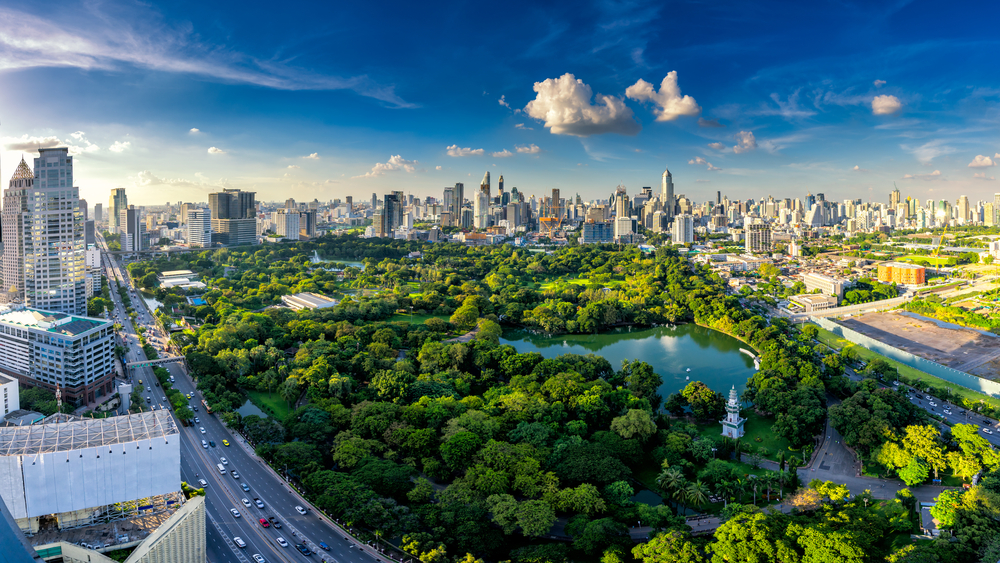
The condominium market in Bangkok is set to decelerate this year although opportunities in certain locations remain, a leading analyst told Bloomberg.
“We believe the market is entering an equilibrium stage where prices will be adjusted to a more realistic level,” Aliwassa Pathnadabutr, a managing director of CBRE Thailand, said.
Her prognostications come as Thailand implements macro-prudential regulations designed to curb search-for-yield behavior in the property market. At this junction, opportunities may emerge for property seekers and investors as developers look to clear excess stock at low prices.
More: Thai industrial real estate gains from US-China trade war
A total of 454,814 residential units across the country were unsold in 2018, Bloomberg reported, citing data from Sopon Pornchokchai, president of the Agency for Real Estate Affairs Co. The properties had a combined value of USD41 billion.
In Bangkok alone, developers are reporting take-up rates of 55 percent while average asking prices are decreasing six percent year-on-year, a Knight Frank report showed via Bloomberg. However, 65,000 apartments were added to the Thai capital last year, the biggest influx of supply since 2009 and 11 percent bigger than 2017.
But “ask anyone who’s been in property how many times they’ve heard the bubble will burst?,” Frank Khan, Knight Frank Thailand’s head of residential, told Bloomberg. “I’ve heard this more than 10 times, but in my last 15 years, it’s never burst.”
Recommended

Gulf property markets trade panic for prudence
War upends West Asia, but property markets from Dubai to Riyadh refuse to break and attempt to regain their footing
Is China’s housing market finally turning a corner?
Shanghai’s property revival raises hopes, but falling prices elsewhere point to a long recovery
Opportunity or trap? What Washington’s high-tech hub outside Manila means for Philippine property
The New Clark City Economic Security Zone promises billions in investment, but at what cost to Philippine sovereignty?

What Japan’s policy rate hike means for its property market
After decades of near-free borrowing, the country's policy rate is starting to reshape the calculations behind property investment