Office spaces in the Philippines see an increase in demand, mostly coming from BPOs
Moreover, POGOs, which occupied the majority of office space prior to COVID-19, have slowly returned to the market
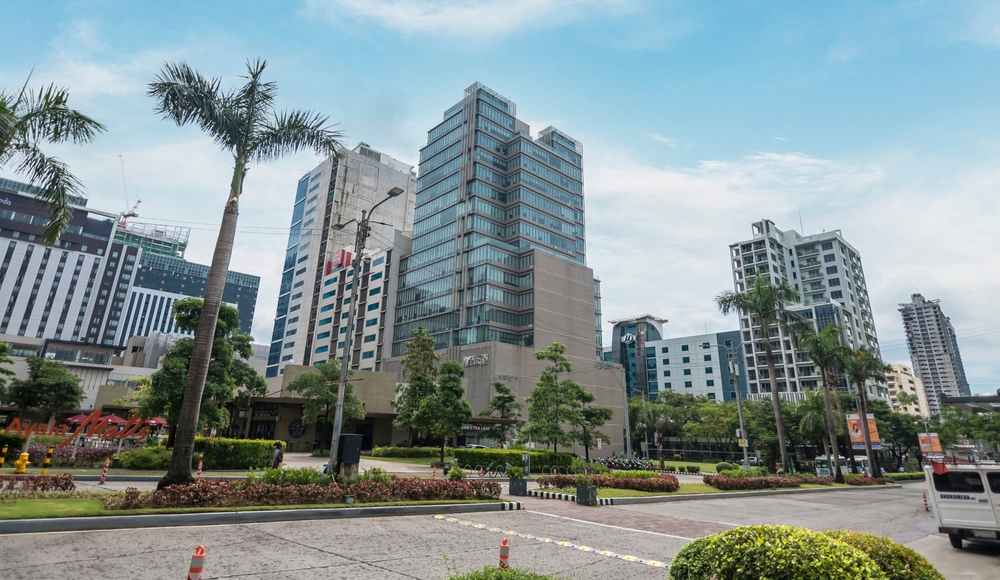
Business expansion and resumption continue to boost the Philippine economy, reported INQUIRER.net.
It is possible to keep this momentum, according to Colliers Philippines, especially when the office segment in Manila and outside the metro has seen positive net take-up within two consecutive quarters.
Mall space absorption, retail rents, and hotel occupancy rates are improving due to the confidence to spend and travel. Considering the current economic and property climate, Colliers Philippines recommends that developers expand their presence outside of Metro Manila as well.
The second quarter saw 146,700 sq m in new office space while there was a recorded 325,100 sq m of office transactions in the metro during the first half of the year.
The report revealed that the annual completion of office spaces will reach 543,3300 sq m between 2023 and 2026. Meanwhile, vacancy reached 17.7 percent in Q2, and it is expected to reach 18.2 percent by the end of the year.
In addition, it stated that increased construction activity is projected to keep vacancy rates high. The stock of Grade A office spaces in Metro Manila increased by about 47,400 square meters in the second quarter, bringing the entire inventory to 9.1 million sq m.
Data gathered by the Manila Bulletin showed that demand for office spaces will come primarily from the BPO industry, as it requires approximately 450,000 sq m of office space to accommodate the employees that were hired during the pandemic and the expected increase of employees in the coming years.
Moreover, the Philippine Offshore Gaming Operators (POGOs), which occupied the majority of office space prior to COVID-19, have slowly returned to the market.
Employees have been asked to return to their offices for several reasons. These include domestic and international economic recovery, companies’ preference for physical reporting of employees, and the government’s back-to-office mandate for PEZA-domiciled companies.
The Property Report editors wrote this article. For more information, email: [email protected].
Recommended

Japan’s cities boom as rural towns hollow out
Millions of homes sit abandoned as the forces reshaping Japan's property market pull in opposite directions

What Johor’s data centre boom means for those living beside it
Malaysia's data gold rush is reshaping the state, testing the balance between investment and liveability

South Korea’s apartment developers wrestle with solar mandates
New regulations are forcing residential developers to generate their own energy

6 projects designed for people and planet
Sustainability has shifted from buzzword to blueprint, and this new generation of buildings proves it