Australia revises growth forecasts due to slow global economic expansion
The June quarter saw a 6.1 percent increase in prices, the fastest growth in 21 years
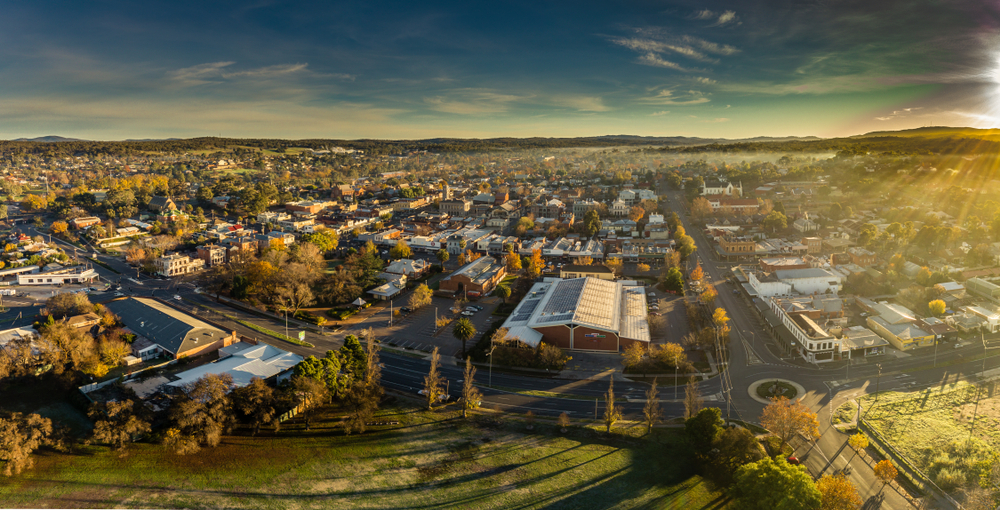
Due to global economies slowing down, Australia has lowered its growth forecast for the 2022/23 and 2023/24 fiscal years by half a percentage point to three and two percent, respectively.
The Australian government recently modified the growth forecast for the 2021/22 fiscal year as well. From the previously set 4.3 percent, it is now expected at 3.8 percent.
“Forecasts are never perfect, but these better reflect the economic circumstances our new government is now dealing with, compared with what was set out before the election,” Treasurer Jim Chalmers will say, according to the speech notes seen by Reuters.
More: Australia’s GDP grew 0.8% in Q1 2022
Victoria is currently Australia’s best-performing economy, knocking Tasmania off the mantle after reigning for nine consecutive years, reported MPA. It was followed by ACT, Tasmania, Queensland, Western Australia, South Australia, NSW, and the Northern Territory.
The rankings are based on annual growth rates in eight aspects, including retail spending, unemployment, new construction projects, housing finance, and dwelling commencements, which are the indicators that Victoria ranked in.
The June quarter saw a 6.1 percent increase in prices, the fastest growth in 21 years, according to The Guardian.
The cost of transportation alone jumped by 13.1 percent as fuel prices reached record highs for the fourth consecutive quarter. The price of new homes increased by nine percent from the previous year. Furthermore, prices for fruits and vegetables increased by approximately six percent, partly due to shortages brought on by the aftermath of the flooding on the east coast.
Jim Chalmers, the treasurer, stated at a press conference that “inflation will get worse before it gets better” and that the government anticipates a peak “towards the end of this year.”
Meanwhile, wage growth is expected to trend higher than previously projected. Stephen Smith said in the Deloitte Access Economics Business Outlook, “Fortunately, the potential for a wage-price spiral is limited… the answer lies in a faster return to skilled migration and in boosting investment in order to drive higher productivity, allowing wages to increase without burdening the cost side of the equation.”
The Property Report editors wrote this article. For more information, email: [email protected].
Recommended

A conversation with the VGBC’s executive director on the risk of not building green
The Vietnam Green Building Council's Douglas Snyder argues that the real cost developers should fear isn't building green

These 6 projects are among Asia’s greenest in 2026
Proof that better buildings are defined as much by how they operate as how they look
Indonesia’s property market feels the pinch of a reeling rupiah
As Jakarta tightens its grip on strategic minerals, investors are fleeing, leaving the property sector in limbo
Japan’s cities boom as rural towns hollow out
Millions of homes sit abandoned as the forces reshaping Japan's property market pull in opposite directions