How Thailand’s Bio, Circular, and Green model will help the economy
The country’s gross domestic output is estimated to rise to 200 billion baht within two years with an effective BCG economy in place
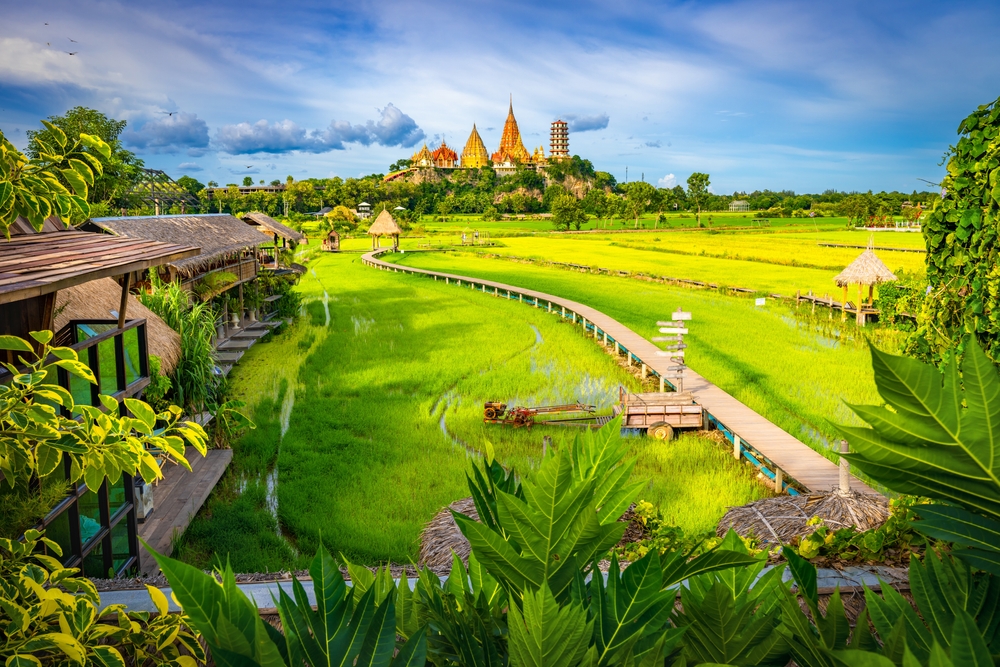
Thailand’s economy is expected to go up by 2.9 percent this year, reported The Nation. The World Bank shared that the tourism industry and private consumption would be key drivers as these sectors are showing signs of recovery.
As COVID-19 cases continue to decline in the country, as well as the further relaxation of border restrictions, the economy is projected to recover and reach pre-pandemic levels in the latter half of the year.
The government expects to welcome 6 million visitors this year and at least 60 percent of pre-pandemic levels by 2024.
More: Thailand prepares to welcome more tourists from Malaysia and India starting 1 July
As the economy recovers, the government is also pushing for a greener future. Case in point, the Bio, Circular, and Green (BCG) economy model. This has the potential to raise the country’s GDP by approximately 1.2 percent, as well as create 160,000 new jobs and cut greenhouse gas emissions by about 5 percent by 2030.
Under the BCG model, the Tourism Authority of Thailand is continuing its mission to expand the Carbon Neutral Tourism sector in the country, according to Pattaya Mail. This initiative, Yuthasak Supasorn, governor of TAT, emphasised, will increase the value and competitiveness of Thai tourism products and services on the international market.
The organisation is currently promoting five pilot business units under communities, farm stays, and smart farms in Kanchanaburi, Nakhon Pathom, Nakhon Ratchasima, Phetchaburi, and Samut Songkhram.
Currently, the BCG model is focused on four sustainable industries, including energy and biochemicals; farm and food; healthcare and medical services; and tourism and the creative economy, as reported by the Bangkok Post.
Thailand’s Board of Investment (BOI) is offering investment promotion incentives for a variety of BCG activities, including biotechnology, biogas and biomass energy generation, and recycling facilities.
The country’s gross domestic output is estimated to rise to 200 billion baht within two years with an effective BCG economy in place, fueled by development in both public and private sector investment.
The Property Report editors wrote this article. For more information, email: [email protected].
Recommended
Is China’s housing market finally turning a corner?
Shanghai’s property revival raises hopes, but falling prices elsewhere point to a long recovery
Opportunity or trap? What Washington’s high-tech hub outside Manila means for Philippine property
The New Clark City Economic Security Zone promises billions in investment, but at what cost to Philippine sovereignty?

What Japan’s policy rate hike means for its property market
After decades of near-free borrowing, the country's policy rate is starting to reshape the calculations behind property investment

A conversation with the head of Vietnam’s Green Building Council on the cost of doing nothing
The VGBC’s Douglas Snyder argues that the real cost developers should fear isn’t building green. It’s failing to do so