Japan to ease border controls for students and businesspeople in March
Japan decided to enforce border protocols at the end of November last year
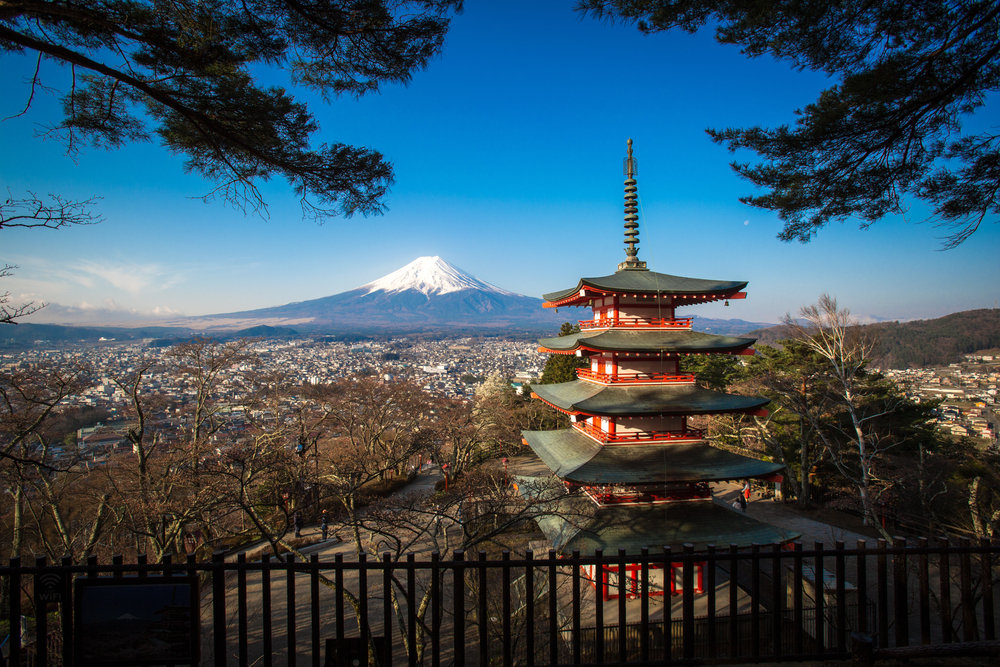
According to The Guardian, Japanese Prime Minister Fumio Kishida announced that the country will be reopening its borders incrementally and will be excluding tourists.
There will be an increase in daily arrivals from 3,500 to 5,000 and a reduction in quarantine from a week to three days for nonresident visitors with a negative test result and proof they have had a booster shot.
The Prime Minister stated that the country’s border control measures will remain the strictest among the G7 countries.
Kyodo News reported that to keep the highly transmissible Omicron variant at bay, Japan decided to enforce border protocols at the end of November last year. This caused an uproar among businesspeople, students, and the academe.
Exemptions were only granted to a small percentage of non-resident foreigners seeking entry into Japan. The regulations have been criticised by business circles for imposing economic costs that far outweigh the advantages. The World Health Organization has advised countries to relax or eliminate travel restrictions.
Compared to other countries that are gradually reopening their borders, this slow lifting of border control measures is a major shift for Japan, according to The Japan Times.
More: Australia reopens its borders on 21 February
With several countries in the Asia Pacific region starting to accept international travelers, Marcus Schuermann, CEO of the German Chamber of Commerce and Industry in Japan, says that Japan’s easing of entry restrictions is definitely appreciated, albeit dissatisfactory. He suggests the country raise the cap on entries to around 8,000 or 9,000 people a day, excluding tourists.
Christopher LaFleur, special adviser to the American Chamber of Commerce in Japan, on the other hand, welcomed Japan’s decision, saying that it would address the needs of businesses, foreign students, teachers, and separated families. He added, however, that “To make this decision meaningful, however, it is critical that the government greatly streamlines application and visa processing and procedures at ports of entry.”
The Property Report editors wrote this article. For more information, email: [email protected].
Recommended
Is China’s housing market finally turning a corner?
Shanghai’s property revival raises hopes, but falling prices elsewhere point to a long recovery
Opportunity or trap? What Washington’s high-tech hub outside Manila means for Philippine property
The New Clark City Economic Security Zone promises billions in investment, but at what cost to Philippine sovereignty?
What Japan’s policy rate hike means for its property market
After decades of near-free borrowing, the country's policy rate is starting to reshape the calculations behind property investment

A conversation with the head of Vietnam’s Green Building Council on the cost of doing nothing
The VGBC’s Douglas Snyder argues that the real cost developers should fear isn’t building green. It’s failing to do so