Taiwan to be a regional hub for solutions in environmental protection
The country has already cleaned up 93 percent of polluted farmland
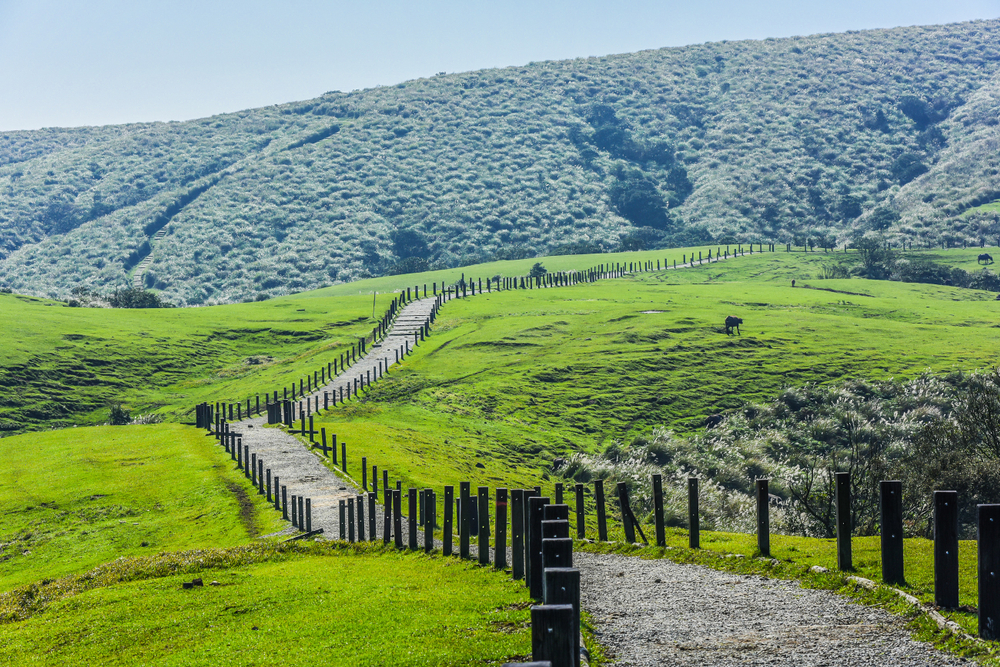
According to Taiwan News, 93 percent of the 1,196 hectares of polluted farmland in Taiwan have already been cleaned up, and it is expected that the task will likely be completed by the end of 2021.
Following the passing of the Soil and Groundwater Pollution Remediation Act in 2000, the Environmental Protection Administration (EPA) set up a fund to clean up farmland and groundwater sources.
In 2001, the Soil Pollution Foundation was established to extensively promote soil and groundwater remediation work. The foundation continues to grow and innovate in terms of law and policy, as well as the application of technology.
Zhang Zijing, director of the Environmental Protection Agency, said, “Agricultural land pollution is long-term. In the past, it was difficult to find polluters.”
However, technological advancement has made it easier to track down the sources of pollution and allow the prevention of future new incidents.
More: Hoteliers urge Taiwanese government to relax borders like other countries
Moreover, according to the EPA, Taiwan’s experience in solving this issue has attracted attention from overseas.
This has resulted in memorandums of understanding with Thailand, Vietnam, and South Korea, paving the way for cooperation and positioning Taiwan as a regional hub.
The Property Report editors wrote this article. For more information, email: [email protected].
Recommended
How Thailand aims to supercharge growth through infrastructure, tourism, and tech
But investors now want proof of execution
6 of Southeast Asia’s finest integrated districts
Master-planned townships are re-emerging as a practical response to rapid urbanisation
6 award-winning projects bringing resort living to the city
Resort residences are increasingly focused on year-round use in urban destinations
How China became the testing ground for Zaha Hadid Architects’ boldest ideas
A conversation with associate director Shao-wei Huang on architecture without precedent