South Korea offline, online retail sales reach $11 billion in July
Sales increased 13 percent last month due to the strong demand for delivery services
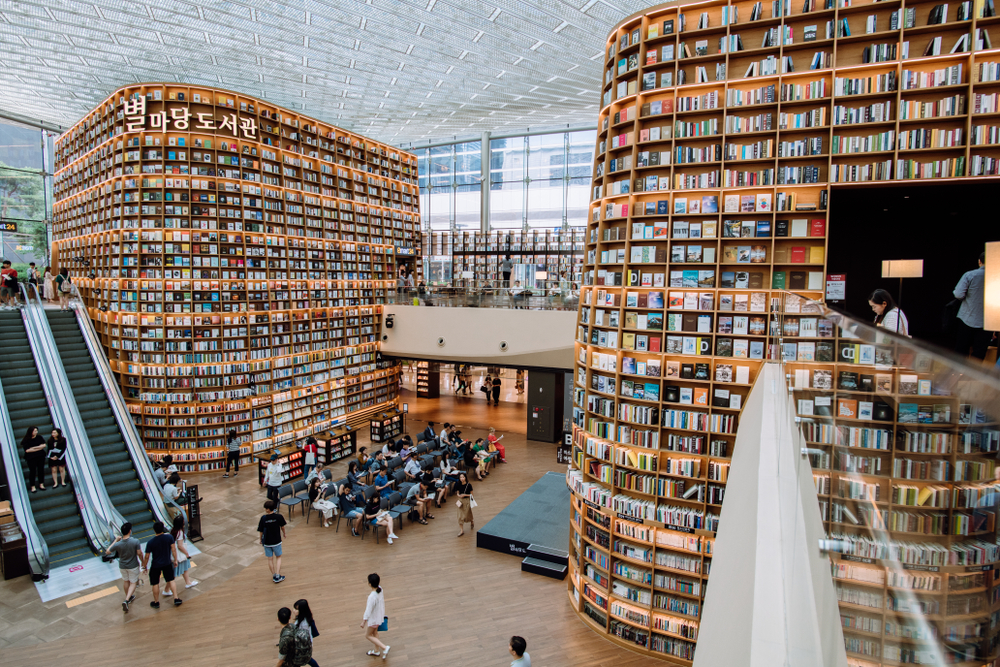
Retail sales in South Korea increased 13 percent in July from a year earlier due to strong demand for food delivery services amid the pandemic, reported The Korea Herald.
According to the Ministry of Trade, Industry, and Energy, sales of 25 major offline and online retailers totalled KRW12.9 trillion (USD11 billion) last month, higher than the KRW11.4 trillion recorded in the previous year.
Sales from offline stores jumped seven percent on-year in July, as consumers purchased more home electronics and daily necessities for their homestay during the scorching summer.
Meanwhile, supermarkets saw a 7.3 percent surge in sales as people bought more food and sports equipment, and convenience store sales rose seven percent.
In terms of department stores, sales increased 7.8 percent due to the strong demand for imported luxury items and golf-related products. However, overall growth has been weighed down by the growing concerns over cluster infections in some stores.
More: Singapore’s retail industries recorded large year-on-year growth in sales
The soaring demand for food delivery services has carried online sales to jump a whopping 20.2 percent, leading the overall gains. To refrain from visiting physical stores, local consumers have also been purchasing food, cosmetic products, and home electronics online.
Moreover, concerns over the contagious delta strain have led authorities to implement strict social distancing rules in July, banning gatherings of more than four people and restricting dining-in in restaurants and cafes after 10 p.m.
The Property Report editors wrote this article. For more information, email: [email protected].
Recommended
Is China’s housing market finally turning a corner?
Shanghai’s property revival raises hopes, but falling prices elsewhere point to a long recovery
Opportunity or trap? What Washington’s high-tech hub outside Manila means for Philippine property
The New Clark City Economic Security Zone promises billions in investment, but at what cost to Philippine sovereignty?
What Japan’s policy rate hike means for its property market
After decades of near-free borrowing, the country's policy rate is starting to reshape the calculations behind property investment

A conversation with the head of Vietnam’s Green Building Council on the cost of doing nothing
The VGBC’s Douglas Snyder argues that the real cost developers should fear isn’t building green. It’s failing to do so