Ho Chi Minh City reserves districts along metro lines for high-rise apartments
City authorities prioritise high-rise buildings along metro lines to link city centre with suburbs
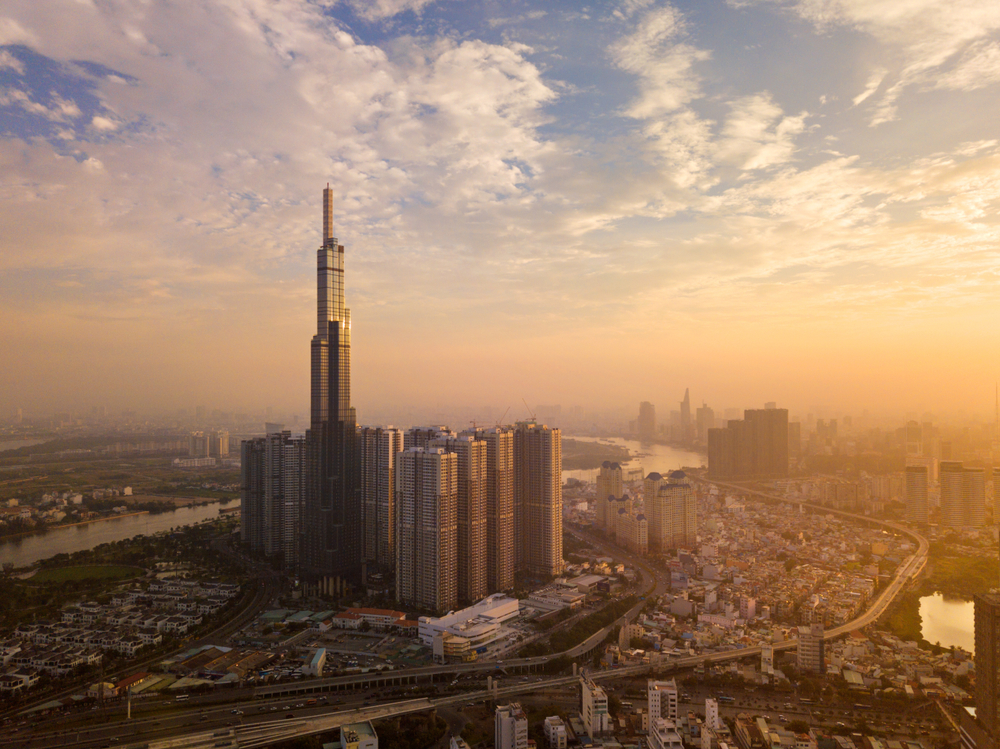
As reported by Vietnam Investment Review, districts next to metro lines including 2, 7, 9, 12, Thu Duc, and Binh Tan will be withheld for the development of high-rise apartment buildings.
The Ho Chi Minh City Housing Development Program 2021-2030 also revealed that such districts will be reserved to build social and affordable housing.
Five suburbs districts, which include Hoc Mon, Binh Chanh, Nha Be, Can Gio, and Cu Chi will be put aside for developing large township, as well as new urban areas, satellite cities, and eco-urban areas.
More: Ho Chi Minh is set to flourish into a smart globalised city
On account of decentralisation, the Central Business District in districts 1 and 3 will be restricted with high-rise buildings until 2025. Additional proposals must suit the city’s plan and will be deemed on a case-by-case basis.
Other districts that are limited to high-rise apartments are highly populated areas like districts 4, 5, 6, 11, and Phu Nhuan, which lack strong infrastructure systems to meet the population growth. Once advanced infrastructure systems are implemented, other considers shall apply for such communities.
Ho Chi Minh City will need a capital investment of VND420 trillion (USD18.26 billion) to develop houses in the next five years. The city will also need another 47 million square metres of housing to satisfy the demand of 12 million people by 2030.
Recommended

Gulf property markets trade panic for prudence
War upends West Asia, but property markets from Dubai to Riyadh refuse to break and attempt to regain their footing
Is China’s housing market finally turning a corner?
Shanghai’s property revival raises hopes, but falling prices elsewhere point to a long recovery
Opportunity or trap? What Washington’s high-tech hub outside Manila means for Philippine property
The New Clark City Economic Security Zone promises billions in investment, but at what cost to Philippine sovereignty?

What Japan’s policy rate hike means for its property market
After decades of near-free borrowing, the country's policy rate is starting to reshape the calculations behind property investment