Australian house prices to bounce back in July 2021
Economists at the Commonwealth Bank of Australia forecast positive recovery in 2H/2021
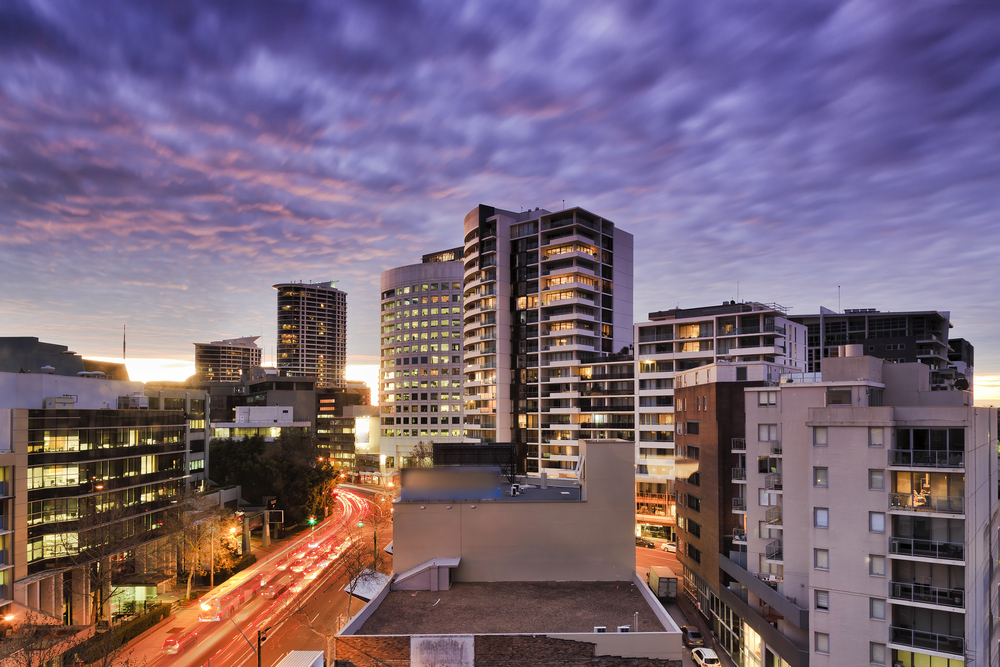
Australian home prices are predicted to rebound in July of next year, except for Melbourne. Economists from the Commonwealth Bank of Australia (CBA) are sensing positive signs about Australia’s real estate market and forecasts the second half of 2021 to experience a “solid recovery”, as stated by Yahoo Finance AU.
Gareth Aird, CBA head of Australian economics, stated that two key trends have stood out: houses prices have dropped much lower than expected, while variation between cities has been greater than expected.
Aird said, “parking the Melbourne issues to one side, what has genuinely surprised us is the resilience of house prices in some of the other capital cities considering the negative shock to labour markets around the country.”
The CBA economists predict a plummet of six percent, and this drop is expected to slap Q1 2021. Home prices will then level-off from March to June of 2021 and start increasing from July.
“Our forecast is for solid price growth in the second half of 2021 as the economic recovery gains traction and incredibly low-interest rates once again become the dominant influence on dwelling prices. We expect a much larger disparity between outcomes by the capital city than initial forecast,” Aird commented.
He added, “for example, we forecast a fall in Melbourne property prices of 12 percent from April 20 to Q1 2021, whilst prices are expected to increase modestly in Hobart and the ACT over that period.”
More: Forbes Global Properties to remodel Australia’s luxury property market
Melbourne’s real estate market has been severely constrained due to prolonged stage three and four lockdowns.
As unemployment and falling rent relieve in 2021, borrowing costs will be the biggest influence in driving home prices.
Philip Lowe, Reserve Bank governor, disclosed that the official interest rate, currently at 0.25 percent, will likely stay low for the next upcoming years.
As Australians restore their usual levels of spending and income, along with low-interest rates, the notion of buying property might shine through.
“Lower interest rates increase the demand for dwellings for both owner-occupiers and investors and they influence the price at which buyers and sellers will transact,” said Aird.
Recommended

Gulf property markets trade panic for prudence
War upends West Asia, but property markets from Dubai to Riyadh refuse to break and attempt to regain their footing

Is China’s housing market finally turning a corner?
Shanghai’s property revival raises hopes, but falling prices elsewhere point to a long recovery

Opportunity or trap? What Washington’s high-tech hub outside Manila means for Philippine property
The New Clark City Economic Security Zone promises billions in investment, but at what cost to Philippine sovereignty?

What Japan’s policy rate hike means for its property market
After decades of near-free borrowing, the country's policy rate is starting to reshape the calculations behind property investment