South Korean mortgage loans register fastest growth in 2019
An onslaught of supply in Seoul rouses property seekers into borrowing mode
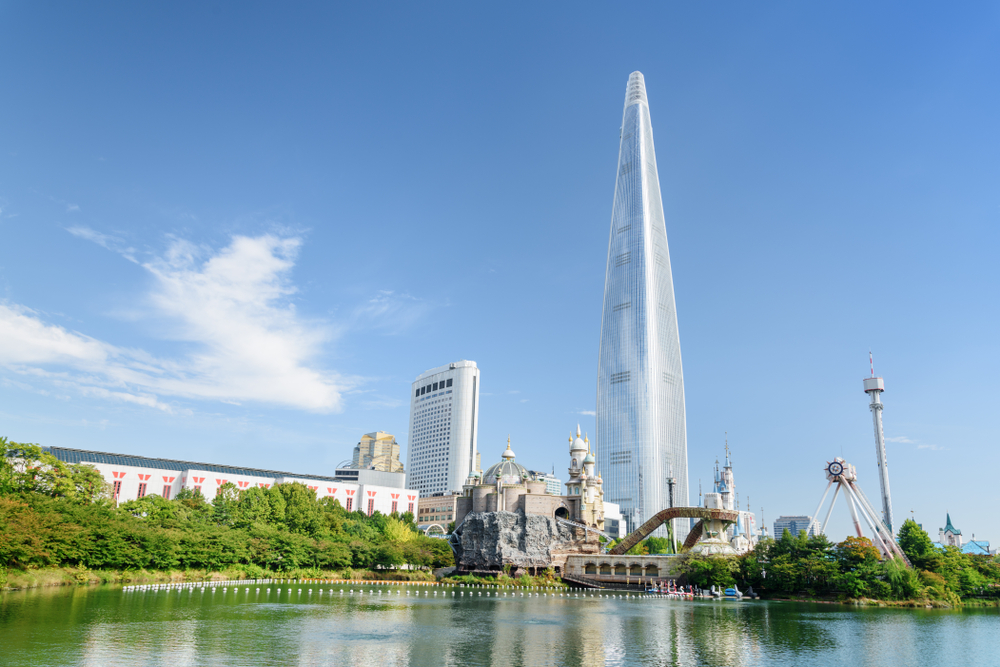
South Korea recorded its fastest increase in mortgage loans in June, thanks to an upswing in residential property supply.
With 26,000 new apartment units coming into metropolitan Seoul’s supply, the nation’s five major commercial banks saw their balance in mortgage-backed loans hit KRW421.5 trillion (USD361.2 billion) at the end of last month. The figure is an increase of KRW3.7 won from May, making it the largest monthly increase for 2019.
In comparison, only 11,000 units had been supplied for Seoul and its surrounds in May.
More: South Koreans own homes at age 43
On the flipside, personal credit loans registered one of their slower months in June. As of the end of the month, the banks’ balance in credit loans reached just KRW102.4 trillion, a monthly increase of KRW558.3 billion compared with a gain of KRW1.14 trillion in May. Lenders attributed May’s buoyant balance to high consumption during Children’s Day and Parents’ Day, which are money-oriented holidays in Korea.
Similarly, the balance of household debts in the country decelerated to an increase of just KRW3.77 trillion in June, compared with the KRW3.9 trillion rise in May. A weak growth in credit loans saw household debt balance hit KRW587.25 trillion toward the end of June.
Meanwhile, the balance of loans extended by individual business owners, which include self-employed individuals, gained KRW1.37 trillion between May and June to stand at KRW230.45 trillion. The figure held steady from the monthly increase in May.
Recommended
Investors double down on Jakarta despite Nusantara’s political rise
Density, demand, and capital flows continue to anchor real estate momentum in Greater Jakarta
Hong Kong’s deadliest blaze in decades triggers stricter safety rules
But enforcement is the real test

A conversation with ThirdHome founder Wade Shealy
How luxury exchange reshapes home ownership, travel, and asset use
Trade politics and domestic fragility test the Philippines’ property market
How global uncertainty and internal divisions are redrawing the outlook