These are Asia’s least liveable cities
Two populous hubs in the Indian subcontinent represent the region’s worst in annual EIU ranking
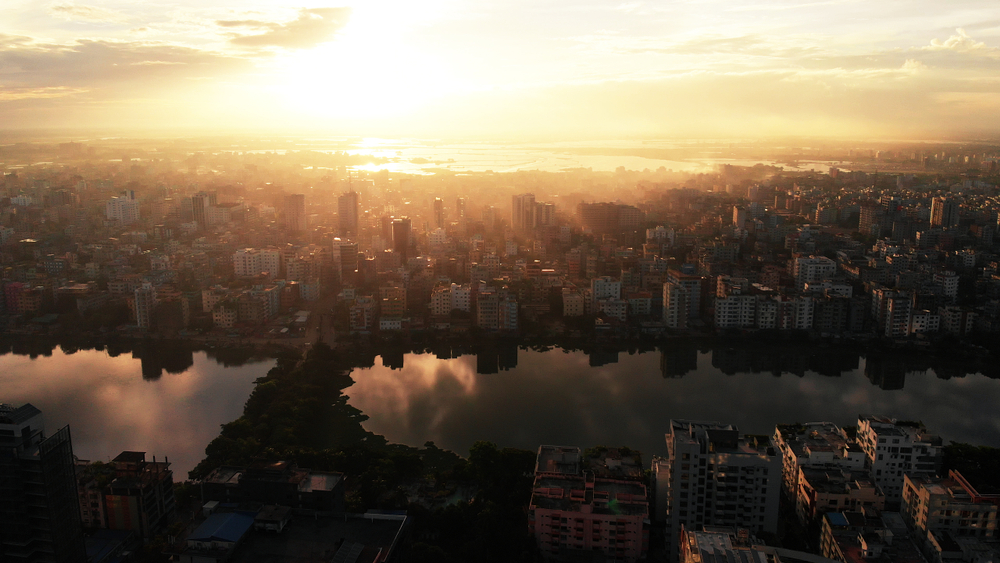
Cities in Bangladesh and Pakistan are the least liveable in Asia, according to the newest annual Global Liveability Index by The Economist Intelligence Unit (EIU).
With a rating of just 39.2, Dhaka sits just two spots below war-torn Damascus as the world’s least liveable urban centre. The Bangladeshi capital, home to 18.2 million people in its metropolitan area, ranks 138th on the 140-city index.
Ranking fifth-least liveable on earth is Karachi, assigned a score of 40.9. Like Damascus, and along with Nigeria’s Lagos, Karachi scored 20 in the metric of stability—the lowest among the bottom 10 cities in the ranking.
Karachi has around 15 million inhabitants.
More: Cambodia’s farewell to Everything But Arms
Dhaka fared a little better in the stability metric with a score of 55. However, the densely populated city scored just 26.8 in the infrastructure metric: the lowest among the 10 least liveable cities.
The Bangladeshi city also left a lot to be desired in the culture and environment metric. “A slew of cities in emerging markets that are among the most exposed to the effects of climate change have seen their scores downgraded. These include New Delhi in India, which suffers from appalling air quality, Cairo in Egypt (where air quality is also a major issue) and Dhaka in Bangladesh,” EIU researchers noted.
Cities on the EIU ranking are judged according to the categories of stability, infrastructure, culture and environment, healthcare, and education.
Tripoli, Port Moresby, Harare, Douala, Algiers and Caracas round out the 10 least liveable cities. On the other end of the ranking, Vienna took the top spot for the second consecutive year, with Osaka ranking most liveable in Asia.
Recommended

6 projects raising the bar for workplaces across Asia
Smarter systems, tighter operations, and rising occupier expectations redefine the commercial building
As foreign buyers retreat, a new generation of Singaporeans steps up
Affluent locals underpin stability, but a widening gulf between launches and resales reshapes the landscape
Vietnam’s developers and policymakers see openings as buyers chase affordability
Tight supply and rampant speculation push house prices beyond the reach of domestic buyers
How China builds its cities twice, first in data and then in concrete
Digital twins of cities manage everything from traffic flow to population density