Year-long protest, months-long pandemic drives Hong Kong hotels to the edge
Prompting them to either temporarily shut down, undergo renovations or come up with other means to earn revenue
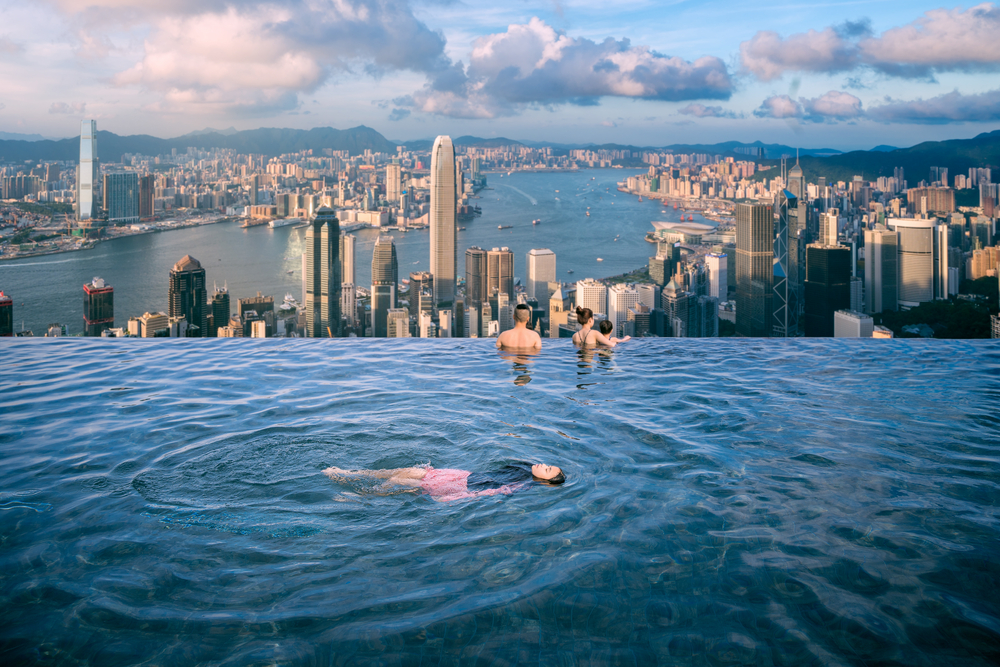
The year-long political unrest, followed by the COVID-19 outbreak has left hotels in Hong Kong into the verge of financial distress, reported CNA Lifestyle.
Since the protests against Beijing’s tightening hold over Hong Kong hit the streets in June, the number of high-spending Chinese and business travellers visiting the region began to plummet, causing the hotel occupancy rates to collapse and the economy to crash.
Months later, news about the infectious disease surfaced and before the COVID-19 cases began to pile up, local authorities started introducing controls, including flight cancellations and travel curbs that have further halted hotels from recovering and even leading to their eventual demise.
“Nine-and-a-half hotels out of 10 are losing money now because there’re no more tourists and they need to solely rely on domestic demand, so they’re just hanging in there,” said Reeves Yan, executive director at property consultancy CBRE.
More: Thailand hotels devise innovative strategies to minimise COVID-19 business impact
In February, the Hong Kong Tourism Board revealed that the industry’s total occupancy rates were 29 percent compared to 91 percent a year before, as travellers for the month dropped to 98 percent.
As most borders have now closed with mainland China and travel restrictions have been extended to curb the spread of the virus, some four-star hotels have decided to temporarily close and several five-star global hotel chains have opted to renovate their property.
Meanwhile, property consultants said that budget and boutique hotels have come up with different approaches to withstand the pandemic, from offering long-term stays to renovating or converting into office spaces.
Recommended
Opportunity or trap? What Washington’s high-tech hub outside Manila means for Philippine property
The New Clark City Economic Security Zone promises billions in investment, but at what cost to Philippine sovereignty?
What Japan’s policy rate hike means for its property market
After decades of near-free borrowing, the country's policy rate is starting to reshape the calculations behind property investment

A conversation with the head of Vietnam’s Green Building Council on the cost of doing nothing
The VGBC’s Douglas Snyder argues that the real cost developers should fear isn’t building green. It’s failing to do so

These 6 projects are among Asia’s greenest in 2026
Proof that better buildings are defined as much by how they operate as how they look