Vacancy rates of street shops in Hong Kong likely to stabilise
The country’s street shop market shows signs of stability, as mass-market restaurants exploit lower rents from luxury and cosmetics business shutdowns
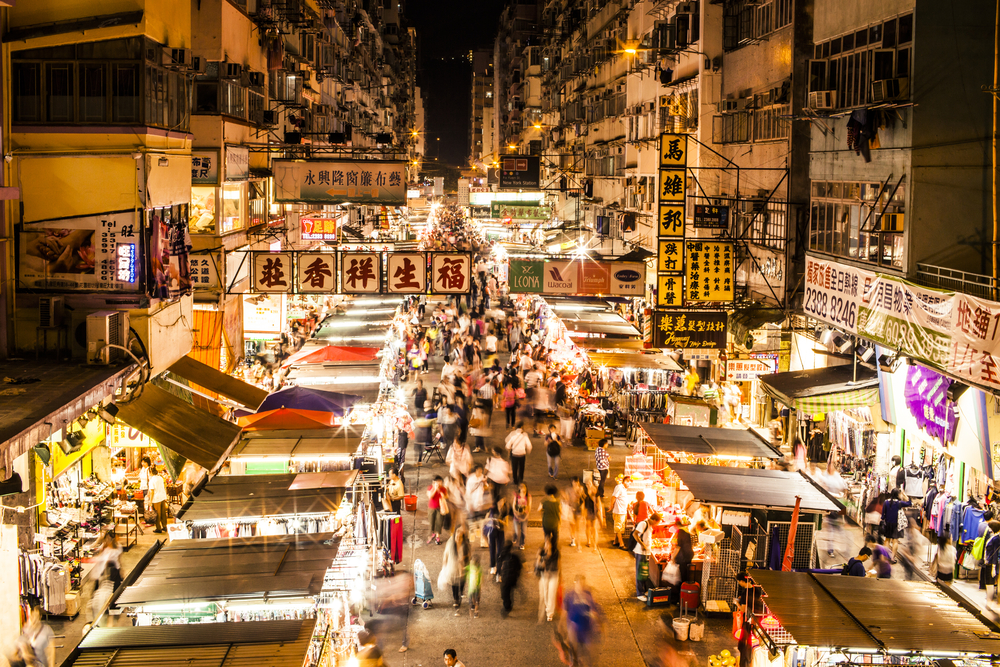
According to South China Morning Post, Hong Kong’s street shop market is strengthening, as mass-market restaurants take advantage of cheaper rents to take the place of luxury and cosmetics businesses in the city’s main shopping districts.
Raiky Wong, director of retail department at Centaline Commercial, said the vacancy rates in major districts have stabilised as more businesses, especially restaurants, are betting on a comeback in consumer spending. The arrival of COVID-19 vaccines would help control the pandemic, gradually leading to a recovery in economic activity.
“The market generally believes that the shop sector is not far from the bottom. More businesses are likely to take advantage of this period of time, when there is still room for negotiating rents, and speed up their deals,” Wong added.
“Recently, a lot of large shops have been rented in urban areas, which reflects a rebound in tenants’ confidence. The vacancy rates of shops in core areas are likely to continue to stabilise in the short term.”
These optimistic signs follow a massive drop in tourist arrivals, a 94 percent plunge to 3.57 million in 2020. Due to the pandemic, the country has restricted entry by overseas visitors and implemented strict quarantine measures since mid-March last year.
Even though luxury and cosmetics shops have been heavily affected by the tourism plunge, a variety of shops in the city’s major shopping districts have opened. For instance, a restaurant well-known for its snake soup reopened in Wan Chai last month and is currently paying HKD120,000 (USD15,454.15) per month, as stated by Centaline. In April last year, the restaurant was paying HKD300,000 per month for a shop in Causeway Bay’s Percival Street.
The vacancy rate in Mong Kok improved for three consecutive months, with a slight 0.2 percent drop to 11.9 percent in February.
Moreover, Centaline data revealed that the number of shop leases from January to February increased 1.8 times year-on-year from 266 to 754 this year. Teddy Wong, senior district sales director at Centaline, said the rental market has recently sparked again by a correction in rents so transaction volumes are likely to rise.
More: Hong Kong developers worry as travel restrictions pummel hotels and malls
DBS Bank (Hong Kong) didn’t expect high-street shop rents to rise this year after a 37 percent overall decline last year.
Restaurants have also taken advantage of the well-equipped eateries listed for distress sales and the number of unemployed experienced workers. As a result, this has led to a handful of new mass-market restaurants, said Ray Yung, district sales director at Midland.
Meanwhile, commercial property, in general, has also benefited from the removal of the double stamp duty, with more business activity over the Lunar New Year period, added Daniel Wong, Midland IC&I’s chief executive, expecting the sector to do well.
Recommended
Hong Kong’s deadliest blaze in decades triggers stricter safety rules
But enforcement is the real test

A conversation with ThirdHome founder Wade Shealy
How luxury exchange reshapes home ownership, travel, and asset use
Trade politics and domestic fragility test the Philippines’ property market
How global uncertainty and internal divisions are redrawing the outlook
How the Gold Coast became Australia’s hottest property market
The Queensland beach enclave, previously seen as a pleasure retreat, is becoming a haven for investors