Thailand’s political state impacts the country’s real estate sector recovery
The country’s real estate sector faces challenges and opportunities amidst political turmoil and pandemic recovery
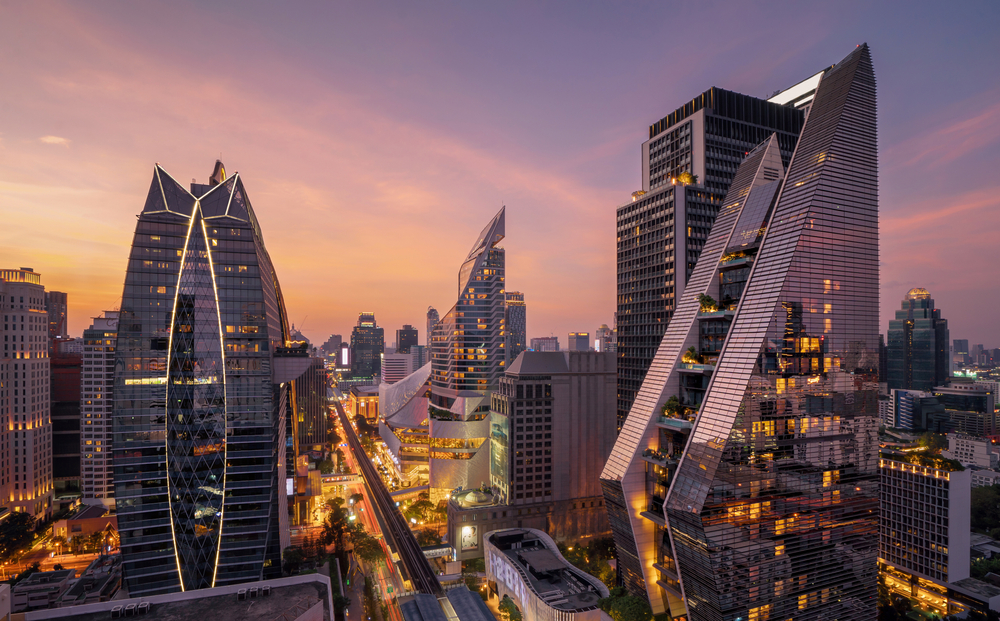
The real estate sector in Thailand is a vital component of the country’s economy, and it was initially expected to recover from the pandemic in 2023. However, according to Channel News Asia, the extended political uncertainty stemming from the May general elections is causing disruptions and apprehension in the market. This uncertainty has led to the postponement of many unsold condominium units and property launches, as developers are cautious about initiating new projects amid the ongoing political turmoil.
Thailand heavily relies on its real estate sector, contributing approximately ten percent to its GDP. Consequently, these delays in the real estate market could potentially impede the country’s post-pandemic recovery. Notably, foreign buyers, mainly hailing from China and Russia, are taking a long-term perspective and considering factors such as interest rates and mortgage approvals in their investment decisions. Industry stakeholders are hopeful that the new government will introduce stimulus measures and revise property market policies to stimulate growth.
The CBRE’s 2023 Asia Pacific Real Estate Market Outlook Mid-Year Review paints a challenging picture for the commercial real estate investment market in the region. This is attributed to prolonged interest rate hikes and a slow recovery in mainland China, with a projected 15 percent decline in commercial real estate investment volume before a recovery is expected in the first half of 2024. However, the hospitality sector, particularly in Bangkok, is displaying signs of a robust recovery with improved sentiment. Key source markets for this sector include various Asian countries.
Related: From zero to hero: Luxury real estate’s meteoric rise in Thailand
Additionally, a substantial portion of the Thai population, around 53 percent, is considering property purchases within the next year, and 54 percent of them are already halfway to their savings goals. A consumer sentiment study conducted by DDProperty reveals that overall satisfaction with Thailand’s property market remains at 65 percent. Furthermore, about 64 percent of individuals prefer renting fully-furnished homes, mainly due to constraints like insufficient savings, high property costs, and a lack of urgency. Property agent certification holds high importance for 81 percent of Thais, with considerations like specialisation, experience, and reputation ranking as the top factors.
There is an expectation among the public that the government will continue to reduce transfer and mortgage fees, alongside a growing desire for tax deductions for first-time homebuyers. Moreover, eco-friendly features are highly valued, with 71 percent of respondents prioritising well-ventilated properties and avoiding areas with PM 2.5 pollution. Additionally, retirement planning is a common theme among over 50 percent of respondents, with Chiang Mai emerging as a popular retirement destination.
The Property Report editors wrote this article. For more information, email: [email protected].
Recommended
Timor-Leste real estate takes off as nation joins ASEAN
Early signs of a property market emerge amid land-title reform and cautious foreign interest
Macau market weakness persists despite economic rebound signs
As Macau’s gaming revenues surge back to life, its residential property market remains stuck on a losing streak
Seoul’s luxury homes roar back on global demand and scarcity
Once cooled by demographics and policy, the South Korean capital's luxury housing market is surging again
South Asia’s property markets edge back from the brink
After years of turmoil, South Asia’s real estate sectors are stirring back to life, buoyed by reform and renewed investor confidence