Philippines troops forward in all possible routes to revive its tourism industry
More than PHP3.1 billion was provided to tourism workers to support the battered travel and recreation industries
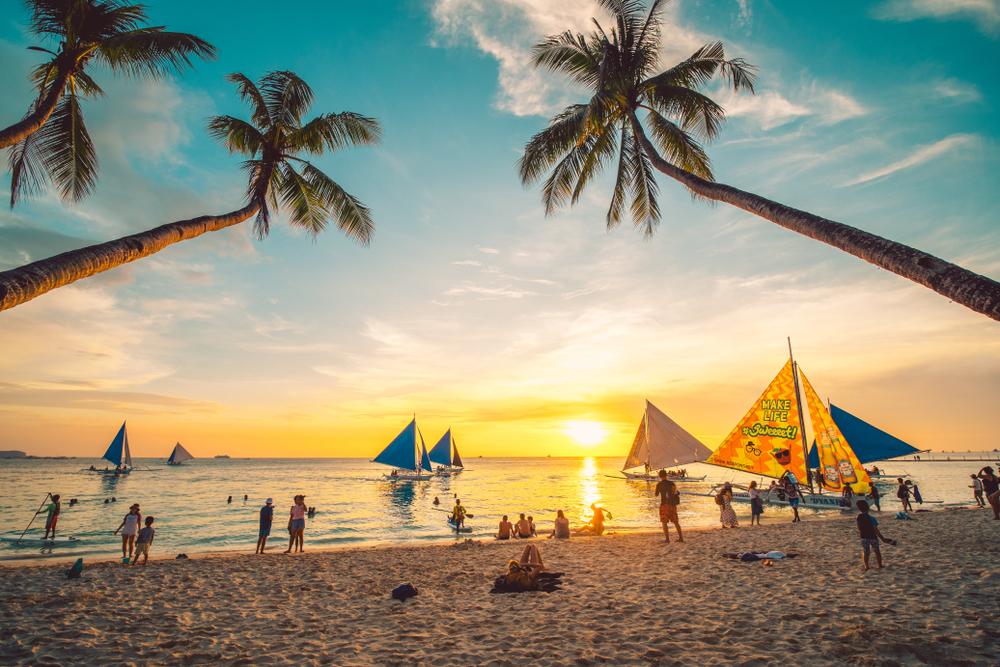
According to Philippine News Agency, Tourism Secretary Bernadette Romulo-Puyat has assured that the tourism industry will continue to undertake all possible paths to recovery and accelerate the return of safe travels.
Romulo-Puyat said that the situation has slightly improved compared to the first half of 2020 when all travels halted.
“First of all, we were able to restart travel. There was the Bayanihan 2, as well as a PHP6 billion loan that is four years to pay, has zero interest, zero collateral, and a two-year grace period for repayment,” she said.
At least PHP3.1 billion in assistance were also provided to tourism workers to extend full support to the heavily impacted travel and recreation industries.
While the Department of Tourism (DOT) will continue to promote a “fun” Philippines, the department would also position the country as a “safe and competitive” destination moving forward.
Moreover, the government will continue to champion sustainable and responsible tourism in destinations.
The Save Our Spots (SOS) campaign aims to launch training programs and webinars that encourage tourism stakeholders to reduce plastic usage and inspire guests to participate.
More: Philippines arranges COVID-19 vaccines for 5,000 Bohol tourism workers
The DOT also urges business owners to operate more environmentally friendly by revising the accreditation standards for hotels and resorts to incorporate environmental indicators in its star rating system.
Boracay Island was closed to address its problem of poor waste management and over-tourism. The island is now repositioning itself as a prime “sustainable” destination in the country – a “place of healing”.
The Property Report editors wrote this article. For more information, email: [email protected].
Recommended
Is China’s housing market finally turning a corner?
Shanghai’s property revival raises hopes, but falling prices elsewhere point to a long recovery
Opportunity or trap? What Washington’s high-tech hub outside Manila means for Philippine property
The New Clark City Economic Security Zone promises billions in investment, but at what cost to Philippine sovereignty?
What Japan’s policy rate hike means for its property market
After decades of near-free borrowing, the country's policy rate is starting to reshape the calculations behind property investment
A conversation with the head of Vietnam’s Green Building Council on the cost of doing nothing
The VGBC’s Douglas Snyder argues that the real cost developers should fear isn’t building green. It’s failing to do so