Philippine home prices flounder in Q2
Condominium values register quarterly growth while other housing types depreciate
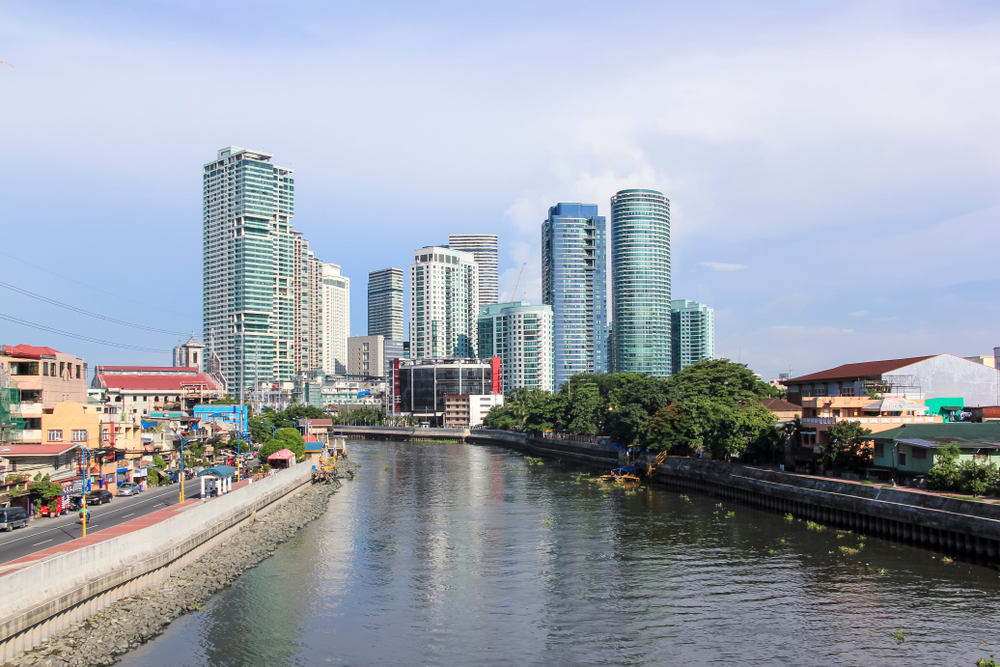
Home prices in the Philippines grew only 0.4 percent year-on-year in the second quarter of 2019, according to the Residential Real Estate Price Index (RREPI) issued Friday by the central bank.
This figure marks a downgrade from the annual growth of 3.3 percent and 4.7 percent registered by the RREPI in the first quarter of 2019 and the second quarter of 2018, respectively.
The index itself stood at only 117.5 in Q2 2019, down from 120 in Q1 2019 but up from 117 in Q2 2018.
Condominium unit prices rose 4.5 percent between the first and second quarters of 2019, while all other types of housing units registered price decreases. Duplex prices fell by a steep 7.9 percent between quarters, followed by falls of 4.7 percent and 0.4 percent for single detached/attached houses and townhouses, respectively.
More: The Philippines’ richest man leaves behind a ‘nation of homeowners’
Year-on-year, however, prices across all types of housing units increased except for single detached and attached houses, whose prices slipped by 4.2 percent.
Prices of duplexes, condominium units, and townhouses (which collectively accounted for 58.7 percent of total new housing units reported) grew by 12.5 percent, 9.6 percent, and 4.3 percent, respectively, compared to Q2 2018.
In terms of locations, home prices were on the ascent in the capital. Although they decreased 0.2 percent in the three months to Q2 2019, prices in the National Capital Region leaped 5.2 percent year-on-year.
Prices in Philippine provinces or Areas Outside the National Capital Region (AONCR) meanwhile descended by 1.1 percent in the year to Q2 2019. Between quarters, provincial prices fell 2 percent.
Recommended

What Johor’s data centre boom means for those living beside it
Malaysia's data gold rush is reshaping the state, testing the balance between investment and liveability

South Korea’s apartment developers wrestle with solar mandates
New regulations are forcing residential developers to generate their own energy
6 projects designed for people and planet
Sustainability has shifted from buzzword to blueprint, and this new generation of buildings proves it
6 homes where luxury finds its character
Asia's ultra-wealthy crave stories, values, and vision. Developers respond with bold, meaning-driven creations