New South Wales aims to produce 110,000 tonnes of green hydrogen per year
The Australian coal-exporting state plans to offer an incentive of AUD3 billion to attract hydrogen projects
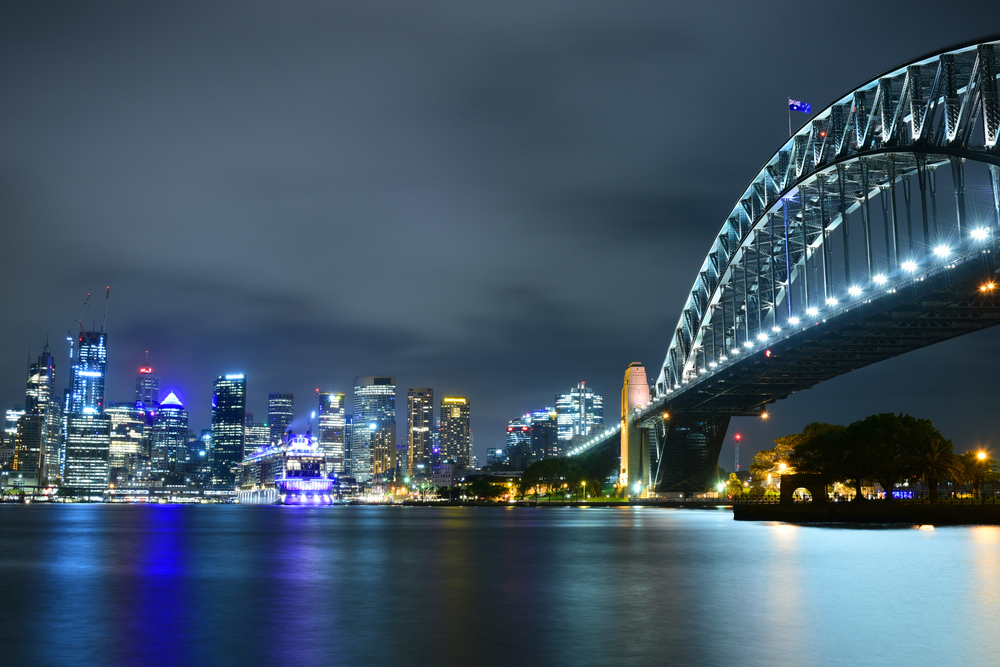
New South Wales, Australia’s biggest coal-exporting state, announced that it would grant AUD3 billion (USD2.2 billion) in incentives to attract hydrogen projects and bring down its carbon emissions, reported Channel News Asia.
Matt Kean, state treasurer and energy minister, said that on top of helping to halve carbon emissions by 2030, the plan would create opportunities for heavy industry and uplift the economy by over AUD600 million.
“Our major trading partners see hydrogen as part of their energy future. This state has the skills, infrastructure, and renewable energy resources to compete globally in this new industry,” said state Premier Dominic Perrottet.
The state plans to offer a 90 percent exemption from power network charges for electrolysers installed by 2030, the biggest incentive yet, as power costs are the main factor for green hydrogen production.
By 2030, the state hopes to produce 110,000 tonnes of green hydrogen per year, from 700 megawatts of electrolyser capacity for under AUD2.80 per kg.
Kean said, “This strategy is forecast to more than halve the cost of green hydrogen production in New South Wales and will make New South Wales the best place to invest in hydrogen in the world.”
Other major resource-exporting states, namely Queensland and Western Australia, have already enticed major green hydrogen project developers, placing increased pressure and competition for New South Wales.
More: Philippines commits to climate change with rise of its largest solar park
Moreover, the state will inject AUD70 million to develop hydrogen hubs in the Illawarra and Hunter industrial regions, as well as subsidise trucking routes with a rollout of hydrogen refuelling stations.
For more than a decade of debate over emissions and energy policies, hydrogen development is the one strategy all Australian politicians agree on for tackling climate change.
The Property Report editors wrote this article. For more information, email: [email protected].
Recommended
Macau market weakness persists despite economic rebound signs
As Macau’s gaming revenues surge back to life, its residential property market remains stuck on a losing streak
Seoul’s luxury homes roar back on global demand and scarcity
Once cooled by demographics and policy, the South Korean capital's luxury housing market is surging again
South Asia’s property markets edge back from the brink
After years of turmoil, South Asia’s real estate sectors are stirring back to life, buoyed by reform and renewed investor confidence
How property can be a force for good in Asia
Real estate is no longer seen only as an engine of profit but as a measure of how societies value people