Is the Thai baht too strong for foreign home buyers?
Kingdom’s development firms report middling overseas sales
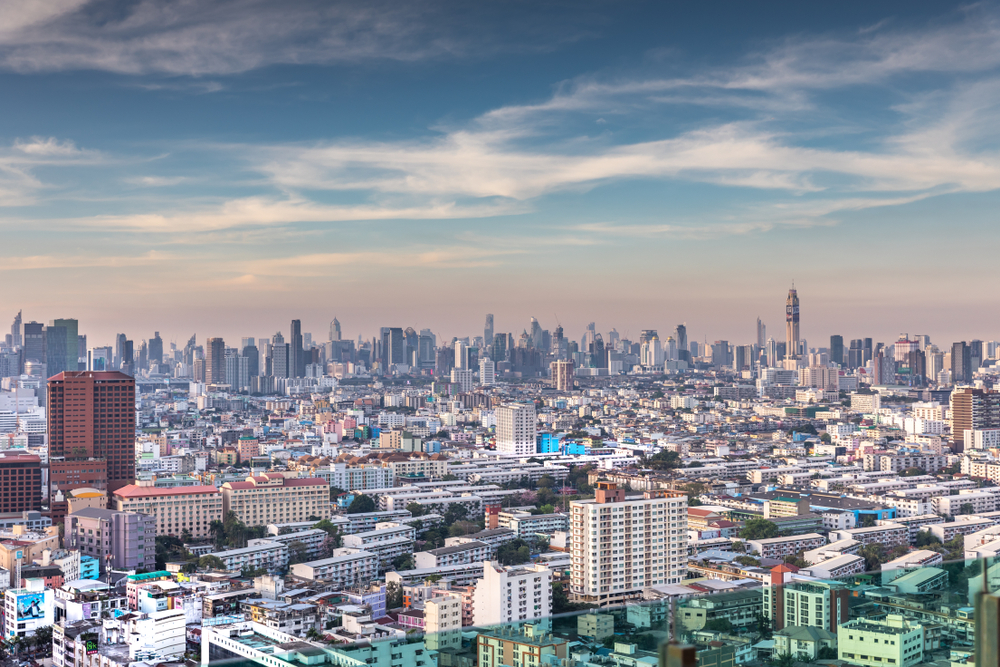
Property developers expect the baht’s stronger showing against the US dollar and the Chinese yuan to bode negatively on international demand for Thailand’s residential offerings, The Nation reported.
Demand from overseas investors for residential units priced under THB10 million has been “dropping” since the second quarter of 2019, according to Prasert Taedullayasatit, chief executive at award-winning developer Pruksa Real Estate Plc.
More: Thailand’s secondary property markets don’t play second fiddle
The baht strengthened 8.07 percent against the yuan and 5 percent against the greenback last month, the exec noted. With yuan-denominated home prices rising eight percent on average and dollar-denominated prices soaring five percent, foreign buying demand for units under THB10 million has soured as a result.
Developers, however, have been able to parlay the restive situation in Hong Kong into some form of demand for their projects. “We were successful with sales of our new luxury condominium, Chapter Charoennakorn-Riverside, last week, with 10 percent of the units booked by Hong Kong customers,” reported Prasert.
Similarly, SC Asset Corp Plc reported that half of the foreign buyers of its luxury condo project in Chidlom, launched in 2017, were Hongkongers looking for a second home in the kingdom. The strong baht and the consequent drop in foreign demand have caused the company to shift its residential business strategy to focus on domestic buyers, according to Prayongyut Itthiratchai, first vice president at SC Asset.
Recommended
Seoul’s luxury homes roar back on global demand and scarcity
Once cooled by demographics and policy, the South Korean capital's luxury housing market is surging again
South Asia’s property markets edge back from the brink
After years of turmoil, South Asia’s real estate sectors are stirring back to life, buoyed by reform and renewed investor confidence

How property can be a force for good in Asia
Real estate is no longer seen only as an engine of profit but as a measure of how societies value people
What comes next for Southeast Asian real estate in 2026
From return-to-office realities to climate and tech disruptions, Southeast Asia’s residential markets are being reshaped by deeper forces