India, slated to become the world’s third-largest economy by 2029
The GDP growth rate for FY23 is projected to be between 6.7 and 7.7 percent
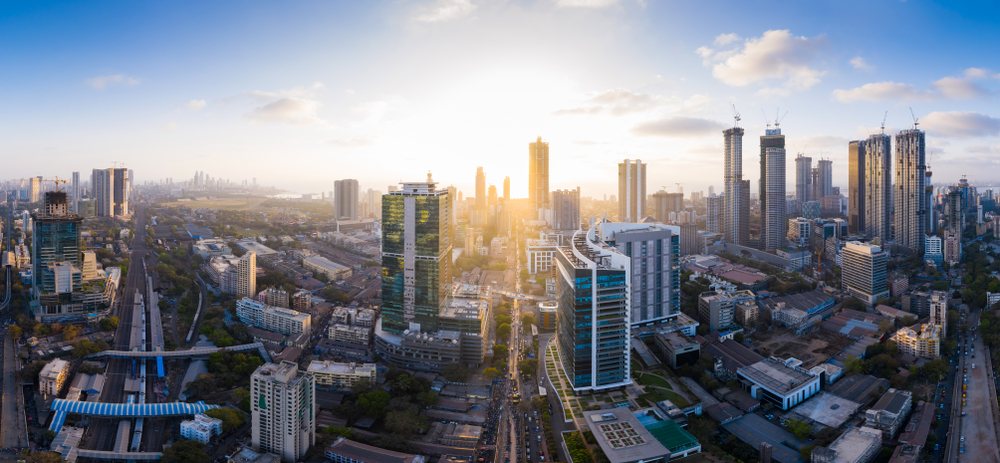
The Times of India reported that India has surpassed the UK and recently became the fifth largest economy in the world at the end of the second quarter. Moreover, the State Bank of India (SBI) suggested that it is highly likely that the country could outpace two other major economies, making it the third-largest economy by 2029.
According to the study conducted by SBI’s Economic Research Department, the GDP growth rate for FY23 is projected to be between 6.7 and 7.7 percent, however, due to global uncertainties, it is likely to have a growth of only six to 6.5 percent.
Considering the trajectory, the country is expected to be deemed the third-largest economy in 2029, moving up seven spots from its 2014 position of tenth.
As the country recovers in both investment spending and digital economy, it is estimated to grow by approximately seven percent annually within the decade, reported the Business Standard.
More: Indian economy projected to reach $20 trillion by 2047
As a result of a 13.5 percent expansion in the April-to-June quarter, the world’s fifth-largest economy is expected to grow by more than seven percent this fiscal year. A rise in interest rates, however, will likely halt economic growth in the coming quarters, according to economists.
Thanks to the resiliency of key industries like mining, construction, electricity, and manufacturing, India is recovering from the pandemic quite quickly. However, the global downturn and inflation are critical concerns, according to MoneyWeek.
According to The Economist, there are “four pillars” that will support growth in the next decade as the pandemic subsides. These pillars are the creation of a single national market in a large country with significant regional differences, the growth of industry, the maintenance of IT’s leadership position, and a high-tech welfare safety net (the “tech stack”) for the hundreds of millions who are left behind.
The Property Report editors wrote this article. For more information, email: [email protected].
Recommended
Timor-Leste real estate takes off as nation joins ASEAN
Early signs of a property market emerge amid land-title reform and cautious foreign interest

Macau market weakness persists despite economic rebound signs
As Macau’s gaming revenues surge back to life, its residential property market remains stuck on a losing streak
Seoul’s luxury homes roar back on global demand and scarcity
Once cooled by demographics and policy, the South Korean capital's luxury housing market is surging again
South Asia’s property markets edge back from the brink
After years of turmoil, South Asia’s real estate sectors are stirring back to life, buoyed by reform and renewed investor confidence