India co-living market to hit trillion mark in 2023
A future supply of shared rental spaces more akin to hotels
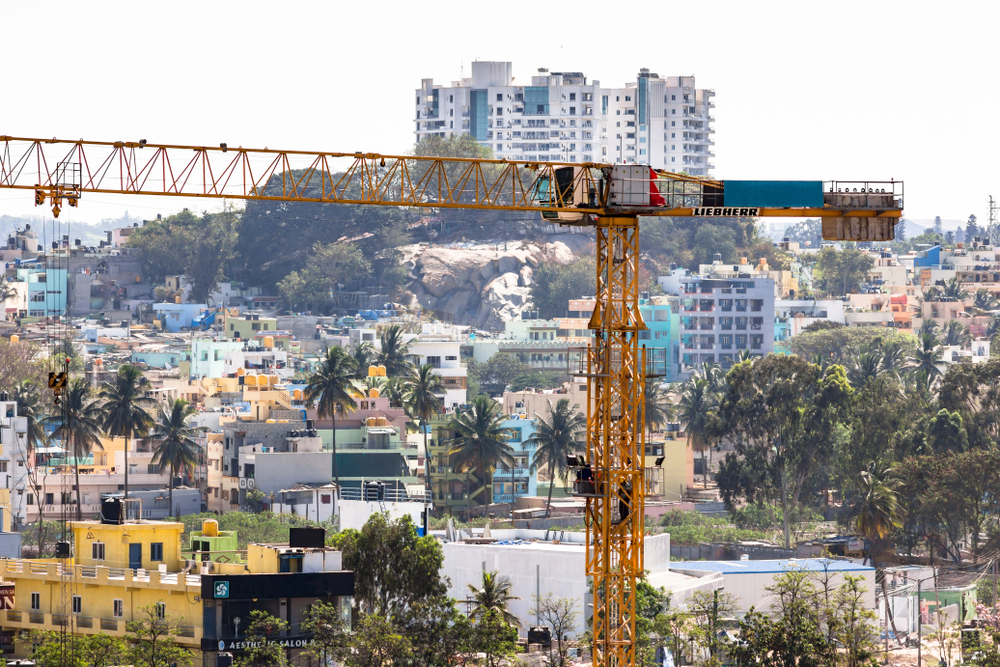
The shared rental market in India is projected to hit a demand of 5.7 million beds, representing a market opportunity of INR1 trillion (USD71.6 million), by 2023, according to a joint study by JLL and the Associated Chambers of Commerce and Industry of India (ASSOCHAM).
The Delhi-NCR area as well as Bengaluru will comprise more than 50 percent of the cumulative capacity for shared rental spaces, the study predicted. Demand for shared rental beds had hit 3.6 million units last year, in comparison.
While India is no stranger to co-living, it is welcoming a more formalised form of the sector—distinct from the unorganised, self-rented accommodations that characterised spaces in years prior. Companies such as Oxfordcaps, CoHo, Zolo Stays, Stanza Living, Placio, OYO Life, Housr, Ziffy Homes and Nestaway have forayed into the segment in the last two years, either solely or through ventures with local private equity firms.
More: Move over, China? Japan, India to develop Colombo port
“The co-living concept brings a drastic transition in the manner in which physical space is managed. It transforms the real estate product into a service akin to the hospitality sector,” the report stated.
“In co-living there is greater emphasis on spaces such as dining and living area. The emphasis is also on supporting facilities such as gym, mobile apps, and house-keeping. These features are not available in self-rented accommodations.’’
The paper recommended co-living as “a good opportunity to realise rental yield.” Unsold residential properties can be converted into co-living spaces or student housing if they are in proximity to universities or office corridors.
Recommended

Timor-Leste real estate takes off as nation joins ASEAN
Early signs of a property market emerge amid land-title reform and cautious foreign interest

Macau market weakness persists despite economic rebound signs
As Macau’s gaming revenues surge back to life, its residential property market remains stuck on a losing streak

Seoul’s luxury homes roar back on global demand and scarcity
Once cooled by demographics and policy, the South Korean capital's luxury housing market is surging again
South Asia’s property markets edge back from the brink
After years of turmoil, South Asia’s real estate sectors are stirring back to life, buoyed by reform and renewed investor confidence