COVID-19 work habits anticipate ‘membership’ schemes for Hong Kong tenants
Landlords may switch to a ‘membership’ leasing model to accommodate changes in Hong Kong’s office rental market
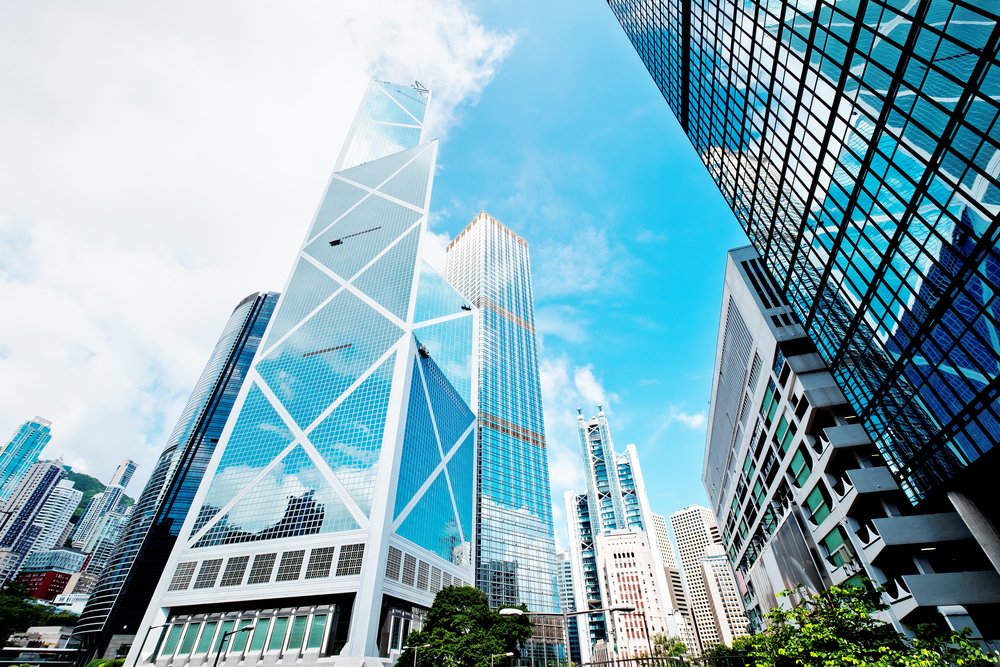
There is no escape from COVID-19’s havoc, and the world’s most expensive real estate market is undergoing radical changes. Based on the recent report by the South China Morning Post, landlords in Hong Kong’s office rental market are intensely competing for corporate tenants. As renters encounter new work habits, landlords are considering shifting from charging fixed rent to “tiered membership” model to draw in tenants.
Usually, corporate occupiers would pay fixed monthly rent according to the duration of the contract and the size of the space leased. However, consequent to the pandemic, corporate tenants are cutting back expenditure and embracing work-from-home arrangements.
According to JLL, landlords are trying to persuade tenants by adopting a new rental model, where occupants are offered various ‘membership’ levels depending on the services they use in the building. Big cities like London and Sydney have already started utilizing this concept.
Chief operating officer in Greater China and managing director at Hong Kong-based JLL Gavin Morgan mentioned, “as a user in an [office building], I want to have a car parking space, I want a gym membership, a club membership and a place for fine dining. I have to sign five contracts if I also want to have a flexible office space, as well.”
Similar to what co-working space providers employ, the model would charge tenants based on the services used. For example, a gold membership might provide members with gyms, restaurants, and flexible meeting rooms and office spaces, while silver members would have the same access excluding the gym.
Morgan added, “with more corporates in the mainland and Hong Kong adopting flexible working arrangements, tenants are looking for more cost-efficient and productive ways to utilise space.”
This flexible model could help increase landlords’ cash flow, satisfy “new normal” working habits, and increase office demand that has been eroded by work-from-home schedules.
Recommended
Seoul’s luxury homes roar back on global demand and scarcity
Once cooled by demographics and policy, the South Korean capital's luxury housing market is surging again
South Asia’s property markets edge back from the brink
After years of turmoil, South Asia’s real estate sectors are stirring back to life, buoyed by reform and renewed investor confidence

How property can be a force for good in Asia
Real estate is no longer seen only as an engine of profit but as a measure of how societies value people
What comes next for Southeast Asian real estate in 2026
From return-to-office realities to climate and tech disruptions, Southeast Asia’s residential markets are being reshaped by deeper forces