Companies in Thailand still opt for hybrid working arrangements
Bangkok is the world’s second best city for digital nomads to work because of its mix of lodging, WiFi hotspots, transportation, and food.
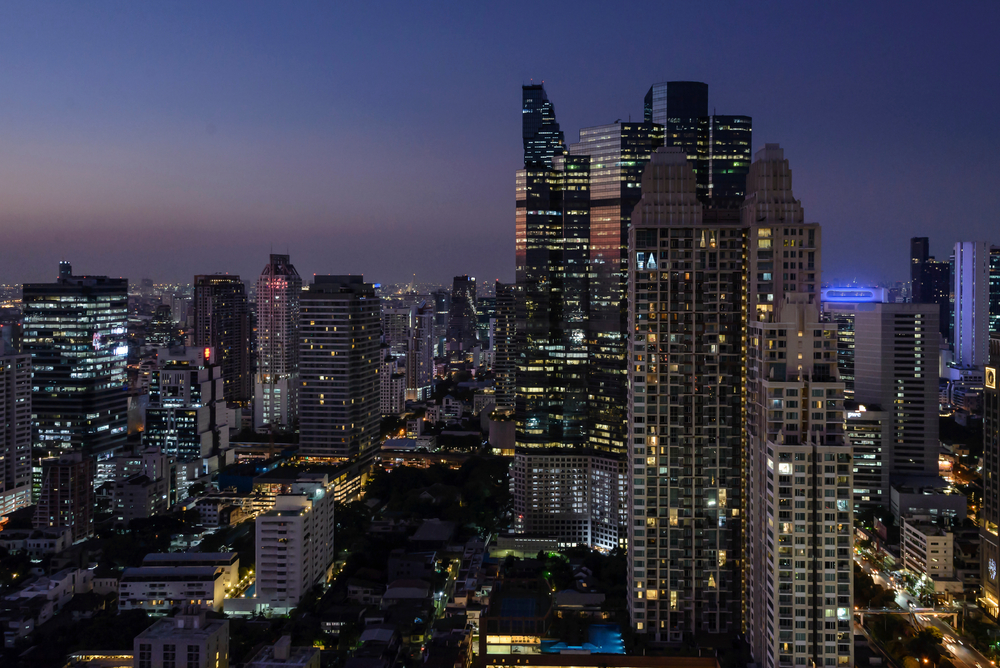
Companies across the Asia Pacific region have started asking their employees to return to their respective offices. In Thailand, however, many businesses still prefer hybrid work arrangements, according to a report by CBRE.
“Workplace priorities have shifted to support hybrid work, with measures ranging from changing the size and function of office portfolios to implementing new in-office features like hot desking and smart workplace technology,” said Maneerat Vichitrattana, senior director of Office Services at CBRE Thailand.
“Companies that had previously made plans to adopt full-scale working from home are now reconsidering their options, as a suitable office environment increases collaboration, efficiency, strengthens company culture, and contributes to achieving business goal,” she added.
According to a new survey by UK-based The Instant Group, Bangkok is the world’s second best city for digital nomads to work because of its mix of lodging, WiFi hotspots, transportation, and food.
More: The Asia Pacific region shows great enthusiasm for coworking spaces
Affordability, weather, broadband speed, landscape, and transportation are all important criteria for flexible nomadic workspaces, and Bangkok excels in all these categories, as reported by the Bangkok Post.
More people are seeking creative co-working spaces, meeting rooms, and serviced offices to work from while travelling, which is driving up demand for flexible office space.
The digital nomad lifestyle is well suited to many jobs, including digital marketing, copywriting, design, and computer science, and this is just scratching the surface of the tasks that can be done remotely.
According to the Instant Group’s market projection, flexible workspace as a share of the total office market would increase from five percent to nearly 13 percent by 2025.
Meanwhile, CBRE’s 2022 Asia Pacific Office Occupier Survey revealed that there are five major real estate priorities for Asia Pacific occupiers in the post-pandemic era: adopting hybrid working as the new norm (66 percent); refining workplace strategies and policies (53 percent); improving office wellness and sustainability (48 percent); postponing the return to the office (37 percent); and reducing long-term portfolio requirements (19 percent).
The Property Report editors wrote this article. For more information, email: [email protected].
Recommended
Trade politics and domestic fragility test the Philippines’ property market
How global uncertainty and internal divisions are redrawing the outlook
How the Gold Coast became Australia’s hottest property market
The Queensland beach enclave, previously seen as a pleasure retreat, is becoming a haven for investors
Trust gap slows Chinese tourism and property investment in Thailand
Scam-related narratives accelerate a shift in tourism and property investment away from Thailand
Timor-Leste real estate takes off as nation joins ASEAN
Early signs of a property market emerge amid land-title reform and cautious foreign interest