China’s new home prices slowdown as cooling measures take off
Price growth in main cities like Beijing and Shanghai, yet, continued to accelerate at 0.54 percent compared to 0.48 percent in June
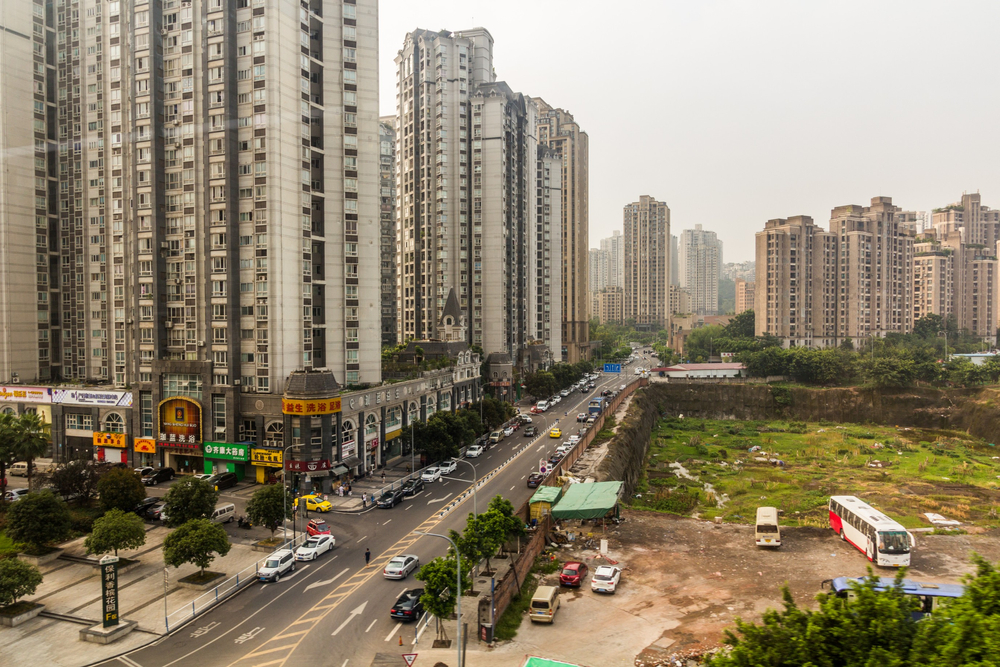
According to South China Morning Post, cooling measures such as higher mortgage rates and price caps on resale homes slow China’s growth in new home prices, particularly in smaller cities.
Based on data from independent real estate research firm, China Index Academy, new home prices in 100 cities rose 0.35 percent in July compared with the 0.36 percent growth in June.
Chinese authorities implemented measures this year to control the red-hot real estate market, including caps on developers’ borrowing and strict bans on illegal flows of funds into the sector.
Cao Jingjing, the group’s director, said, “New home growth softened in July against the backdrop of stringent measures and tighter credit.”
Growth in home sales is anticipated to remain mild as the curbs are unlikely to be eased.
In July, China’s housing ministry encouraged five cities to stabilise their property markets, while the central bank demanded lenders in Shanghai to increase interest rates on mortgage loans.
China’s smaller tier-three and tier-four cities’ prices rose 0.21 percent on-month, versus 0.29 percent in June. Tier-two cities gained 0.29 percent, slowing from June’s 0.31 percent.
However, price growth in China’s biggest cities such as Beijing and Shanghai continued to accelerate at 0.54 percent compared to June’s 0.48 percent growth. This suggests steady demand for properties in the country’s most economically vigorous cities.
More: Hotel transactions in China predicted to return to pre-Covid levels
On an annual basis, China’s new home prices grew 3.81 percent in July, slowing from the 3.89 percent gain in June.
July data for China’s home prices will be officially released by the National Bureau of Statistics in mid-August.
The Property Report editors wrote this article. For more information, email: [email protected].
Recommended

These 6 projects are among Asia’s greenest in 2026
Proof that better buildings are defined as much by how they operate as how they look
Indonesia’s property market feels the pinch of a reeling rupiah
As Jakarta tightens its grip on strategic minerals, investors are fleeing, leaving the property sector in limbo

Japan’s cities boom as rural towns hollow out
Millions of homes sit abandoned as the forces reshaping Japan's property market pull in opposite directions

What Johor’s data centre boom means for those living beside it
Malaysia's data gold rush is reshaping the state, testing the balance between investment and liveability