China’s February home prices spike at fastest speed as supply dries out
The secondary market, which faces less government intervention, experienced a 0.34 percent price increase
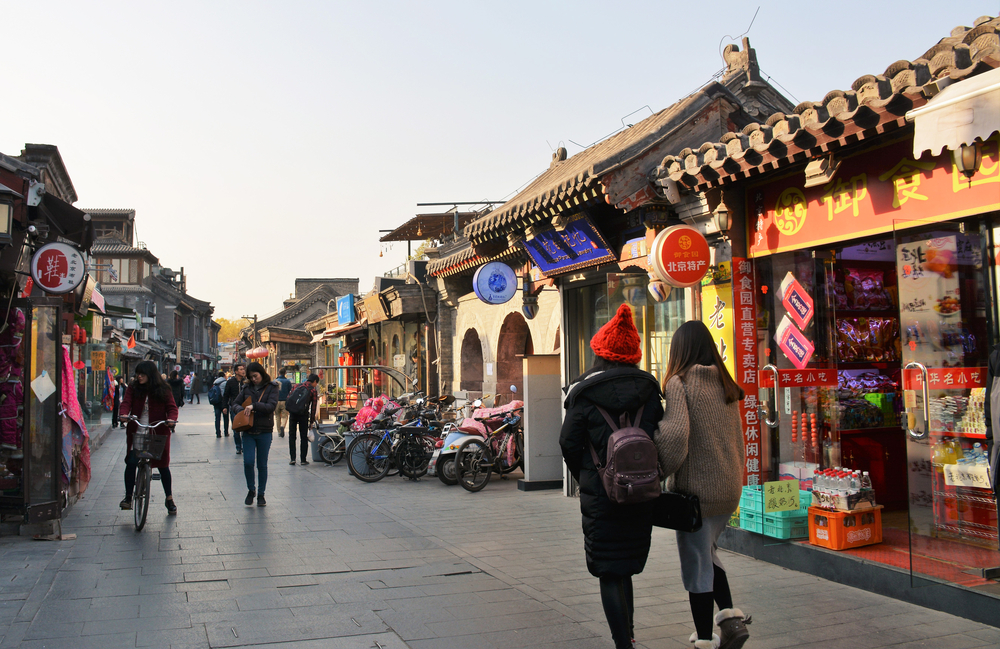
According to South China Morning Post, February home prices in China skyrocketed at the fastest pace in six months, as fear of missing out among buyers dry out the already low supply of projects.
The National Bureau of Statistics revealed that new home prices in 70 major cities, excluding state-subsidised housing, increased from 0.28 to 0.36 percent. On the other hand, the secondary market, which faces less government intervention, saw a 0.34 percent climb.
Most potential buyers stayed in cities where they worked last month (the Lunar New Year holiday) due to a renewed spike of coronavirus cases, encouraging home buying.
China Real Estate Information Corp. observed that new home sales in 29 major cities more than tripled in February compared to a year earlier, when the economy faced the arrival of the coronavirus. New-home supply in those cities dropped by 63 percent by area in February from January.
This rush in real estate pushed China’s top policymaker to pledge in solving the housing problem.
“We will keep the prices of land and housing as well as market expectations stable,” said Premier Li Keqiang.
More: China regulator expresses concern over a “bubble” in real estate prices
Policymakers have implemented various measures to fine-tune the industry and cool the market this year, such as a new mechanism on banks’ real estate lending or Shanghai and Shenzhen’s further crackdown on housing speculation via fake divorces.
James Macdonald, Shanghai-based head of China research for Savills, said, “most of the policies seem to be refinements” of existing steps rather than anything significant that might severely reduce buyer demand.
Xu Xiaole, a property analyst at Beike Research Institute, mentioned that existing home sales this month have already been going at a slower pace in Beijing and Shanghai, which would mean slower price growth in such cities. On the other hand, prices are still likely to continue to climb in tier-two cities where sentiment remains strong.
Recommended
Is China’s housing market finally turning a corner?
Shanghai’s property revival raises hopes, but falling prices elsewhere point to a long recovery
Opportunity or trap? What Washington’s high-tech hub outside Manila means for Philippine property
The New Clark City Economic Security Zone promises billions in investment, but at what cost to Philippine sovereignty?

What Japan’s policy rate hike means for its property market
After decades of near-free borrowing, the country's policy rate is starting to reshape the calculations behind property investment

A conversation with the head of Vietnam’s Green Building Council on the cost of doing nothing
The VGBC’s Douglas Snyder argues that the real cost developers should fear isn’t building green. It’s failing to do so