Asking price for Tokyo apartments reaches record high since 2002
Residential property price growth has been supported by factors such as the work-from-home trend and tax reduction incentives
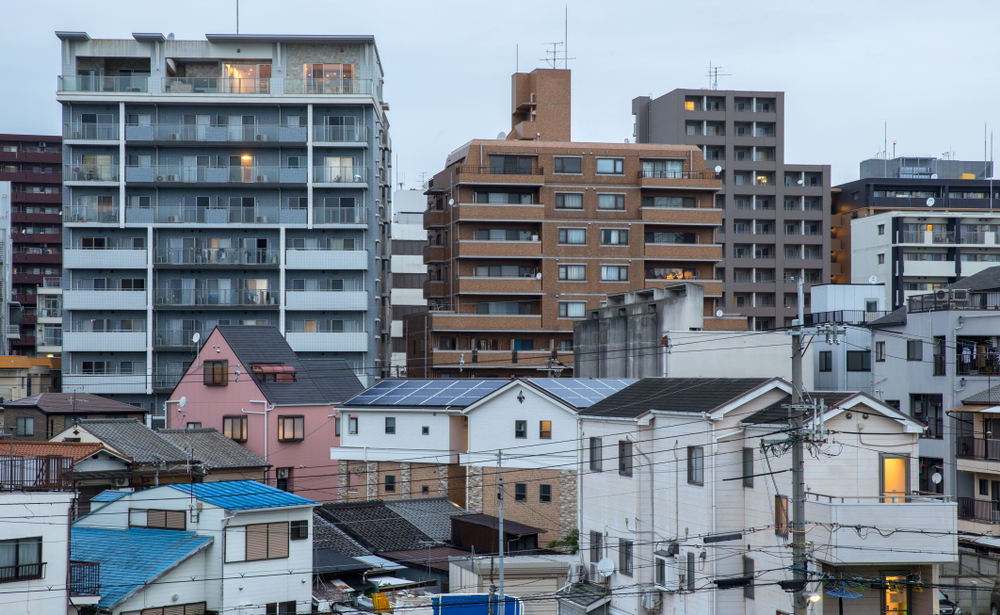
According to Japan Property Central, the average asking price of apartments across greater Tokyo increased 10.1 percent from last year, the highest level since 2002.
For buyers who decided to sit on the sidelines throughout 2020, this may come as a shock. As stated by Tokyo Kantei, the average asking price of a 70 square metre secondhand apartment across greater Tokyo was JPY40,440,000 (USD365,807) in May.
This is a 0.6 percent increase from the previous month and a 10.1 percent jump from last year, the highest level seen since record-keeping began in 2002.
Asking prices are up year on year across the board in the greater Tokyo, Kinki, and Chubu regions.
In Tokyo’s 23 wards, the average price was JPY63,060,000, a 0.5 percent rise from the previous month, and a 10.8 percent rise from last year.
Meanwhile, Yokohama City saw prices up 6.8 percent from last year, and Saitama City saw 12.3 percent.
More: Japan government implements reporting requirements for foreigner-transactions
Osaka City experienced the more modest increase at 3.9 percent, while Kobe has seen a 2.3 percent increase.
Moreover, in central Tokyo’s six wards of Chiyoda, Chuo, Minato, Shinjuku, Bunkyo, and Shibuya, the average asking price was JPY91,170,000, up 0.1 percent from the previous month and up 8.9 percent from last year. Prices have risen by 20.5 percent since early 2019.
Residential property price growth has been driven by higher demand for more comfortable houses to support the current work-from-home trend, tax reduction incentives, low interest rates, and high share prices giving affluent investors money to burn.
Recommended
Japan’s cities boom as rural towns hollow out
Millions of homes sit abandoned as the forces reshaping Japan's property market pull in opposite directions
What Johor’s data centre boom means for those living beside it
Malaysia's data gold rush is reshaping the state, testing the balance between investment and liveability
South Korea’s apartment developers wrestle with solar mandates
New regulations are forcing residential developers to generate their own energy
6 projects designed for people and planet
Sustainability has shifted from buzzword to blueprint, and this new generation of buildings proves it