South Korea plans to transform state-owned properties into residential apartments
The administration aims to add more than 132,000 new homes in Seoul by 2028 to cater to the limited new housing supply
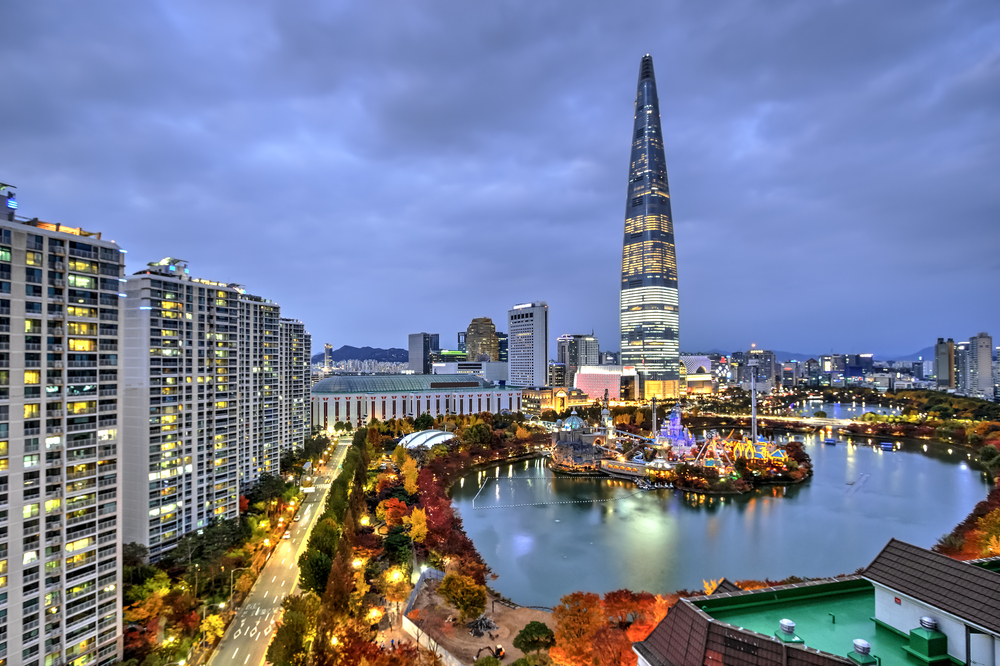
On Tuesday, South Korea announced that they will be constructing over 132,000 new homes in Seoul by 2028 to address the limited amount of new homes supply, reported Channel News Asia.
To achieve this, the Moon Kae-in administration explained that they will be easing building height restrictions and turning state-owned properties, including military sites and golf courses into residential areas.
This move is already the 23rd measure to cool rising home prices in the capital and the metropolitan region since both sales and rent prices have risen even though the administration has already introduced hefty real estate taxes and more stringent mortgage curbs.
Hong Nam-ki, the finance minister, communicated that military base Camp Kim in central Seoul, a driving test centre in western Seoul and state-owned Taereung golf course will be reconstructed into residential developments.
More: South Korea and China now recognised as real estate investment hotspots
He added that limitations on building heights will be relaxed to spur the renovation of old apartments in central Seoul.
“Stabilising the real estate market is the biggest policy goal for public welfare and our utmost priority,” he said. “(Tuesday’s measures) hopefully serves as a strong signal on new home supply.”
Online database site Numbeo revealed that Seoul’s home prices have surged to 44 percent in the last three years, which is the fastest recorded pace in the world.
Recommended
Seoul’s luxury homes roar back on global demand and scarcity
Once cooled by demographics and policy, the South Korean capital's luxury housing market is surging again
South Asia’s property markets edge back from the brink
After years of turmoil, South Asia’s real estate sectors are stirring back to life, buoyed by reform and renewed investor confidence
How property can be a force for good in Asia
Real estate is no longer seen only as an engine of profit but as a measure of how societies value people
What comes next for Southeast Asian real estate in 2026
From return-to-office realities to climate and tech disruptions, Southeast Asia’s residential markets are being reshaped by deeper forces