Ghost month triggers buying spree in Taiwan
Record transaction volume in more than three years
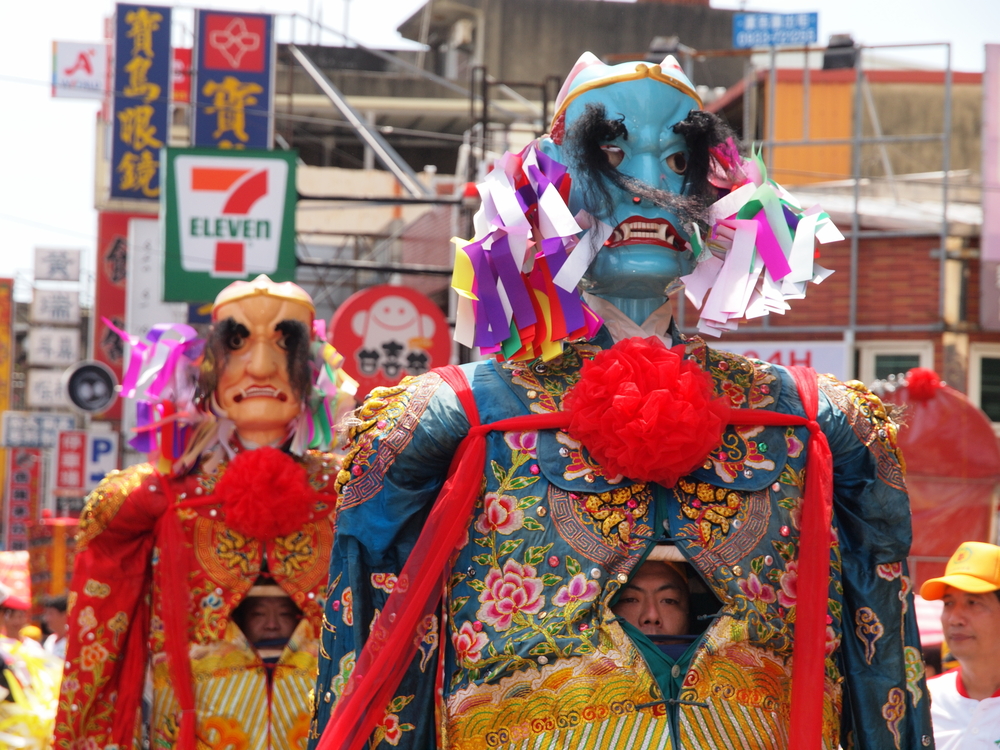 Property seekers rushed to buy new homes and commercial properties in July ahead of the traditional Ghost Month observance, official figures showed.
The volume of transactions for residential and commercial properties in Taiwan’s six special municipalities hit 22,949 units in July, a 20-percent monthly rise and 17-percent annual growth. The figure is also the largest of any month in over three years.
Property sales had fallen 13 percent month-on-month in June, in comparison.
This year’s Ghost Month, which falls on 1 August through 29 August, compels consumers to avoid big-ticket purchases such as property for fear of coming down with bad luck.
More: Richard Meier on designing the hottest new luxury residences in Taipei
Home buyers had been inclined to take delivery of their properties before the start of Ghost Month, Lang Mei-nan, head of research at Great Home Realty, commented.
The upswing in housing transactions may also be attributed to more working days in July—23 to June’s 19—according to Tseng Ching-der, a research manager with Sinyi Realty Inc.
July’s figures bring the volume of transactions in the six municipalities to 133,171 units for the first seven months of the year, an increase of 8.2 percent from last year.
Hsu Chia-hsin, head of the research department of real estate sales agent H&B Business Group, cautioned that political factors attendant on the presidential elections in January, plus an economic slowdown, may bode negatively on the market in the second half of 2019.
Recommended
Gulf property markets trade panic for prudence
War upends West Asia, but property markets from Dubai to Riyadh refuse to break and attempt to regain their footing
Is China’s housing market finally turning a corner?
Shanghai’s property revival raises hopes, but falling prices elsewhere point to a long recovery
Opportunity or trap? What Washington’s high-tech hub outside Manila means for Philippine property
The New Clark City Economic Security Zone promises billions in investment, but at what cost to Philippine sovereignty?

What Japan’s policy rate hike means for its property market
After decades of near-free borrowing, the country's policy rate is starting to reshape the calculations behind property investment