The Philippines revises Q2 economic growth rate
From 7.4 percent, it grew slightly, reaching a final rating of 7.5 percent
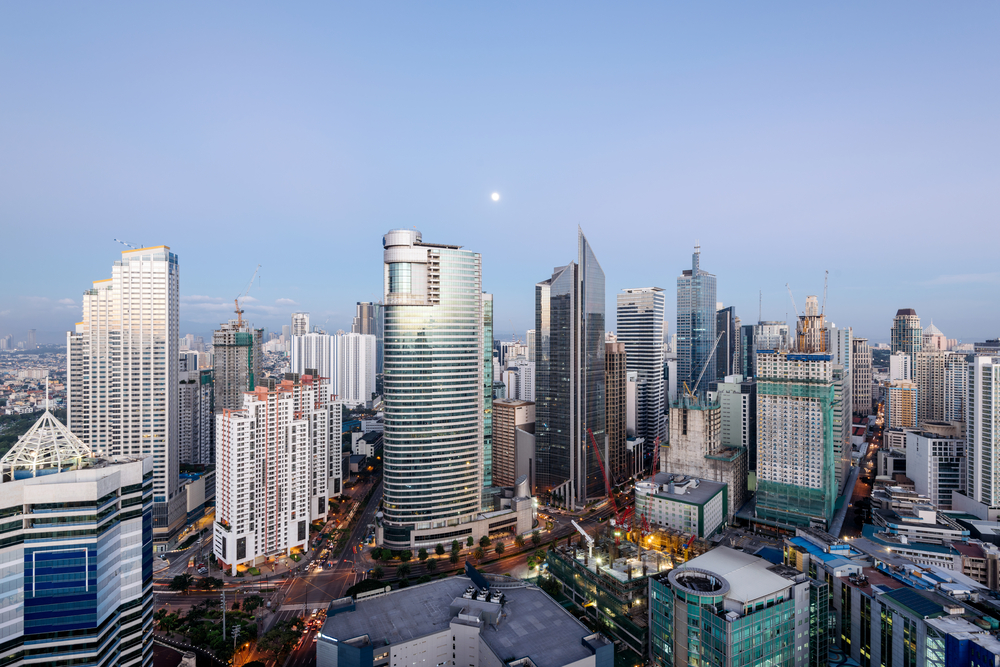
The Philippine Statistics Authority (PSA) announced Wednesday that the country’s Q2 economic growth was revised upward due to improvements in construction, real estate, and manufacturing, reported GMA News Online. From 7.4 percent, it grew slightly, reaching a final rating of 7.5 percent.
The major factors for the revision were construction which increased by 19.5 percent (previously 19 percent); real estate and ownership of dwellings up 4.4 percent (previously 3.9 percent); and manufacturing up 2.2 percent (previously 2.1 percent).
More: Firms increase growth forecast for the Philippines
However, economic growth slowed down in Q3, according to CNN Philippines, which was likely due to rising inflation and the plunging peso, affecting consumers’ purchasing power.
A survey of 12 economists revealed growth forecasts ranging from 4.6 percent to 7.7 percent, averaging 6.1 percent. This number is weaker in comparison to Q2’s 7.4 percent. It also showed a median GDP growth estimate of 6.2 percent.
Meanwhile, some analysts have predicted that the Philippines might not even achieve the target range of 6.5 to 7.5 percent for 2022.
However, according to Sonia Zhu, an associate economist at Moody’s Analytics, the Philippines is on track to meet its goal as a result of the government’s decision to offer subsidies to lessen the impact of higher food and other prices, as well as the easing of travel restrictions that helped the tourism sector.
Ser Percival K. Pea-Reyes, associate director at the Center for Economic Research and Development at the Ateneo de Manila University, concurred with Zhu’s upbeat assessment.
“We believe that the country is on track to meet the government growth target for the whole year. Perhaps, we could even exceed the target slightly (7.6% full-year real GDP growth),” he said.
The Property Report editors wrote this article. For more information, email: [email protected].
Recommended
Is China’s housing market finally turning a corner?
Shanghai’s property revival raises hopes, but falling prices elsewhere point to a long recovery
Opportunity or trap? What Washington’s high-tech hub outside Manila means for Philippine property
The New Clark City Economic Security Zone promises billions in investment, but at what cost to Philippine sovereignty?
What Japan’s policy rate hike means for its property market
After decades of near-free borrowing, the country's policy rate is starting to reshape the calculations behind property investment

A conversation with the head of Vietnam’s Green Building Council on the cost of doing nothing
The VGBC’s Douglas Snyder argues that the real cost developers should fear isn’t building green. It’s failing to do so