Indonesia’s digital economy set to reach $330 billion by 2030
As the value of digital economy increases, so does the need for digital talent, the main navigator for driving the digital ecosystem
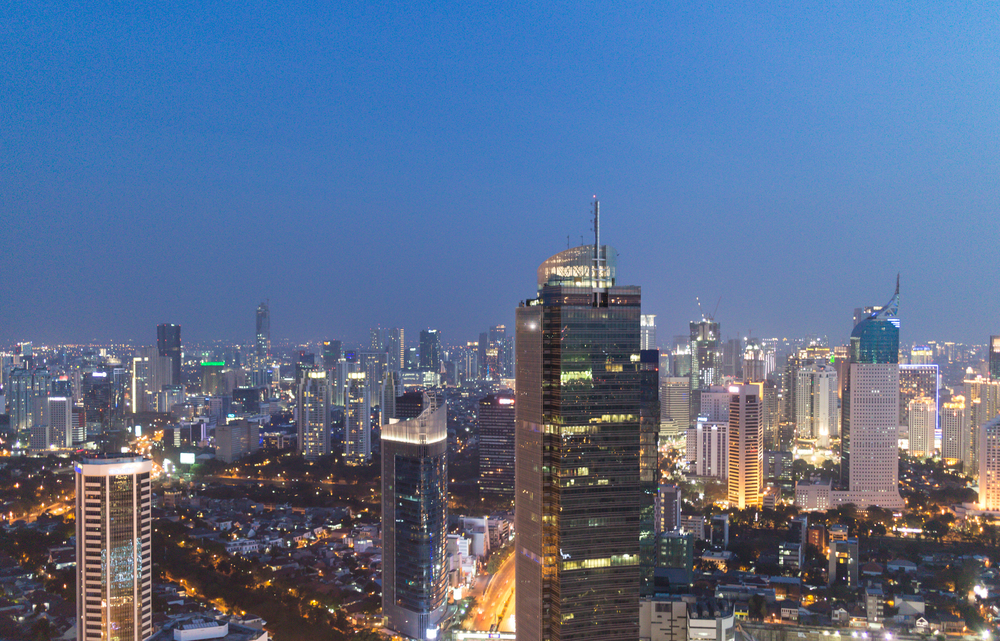
According to Coordinating Minister for Economic Affairs Airlangga Hartarto, digital economy offers new opportunities for Indonesia’s economic growth.
ANTARA News reported that despite reaching USD70 billion last year, the country’s digital economy is poised to reach USD146 billion by 2025.
“With digitalisation, more and more business actors in Indonesia are adopting digital technology to innovate and develop their startup companies across the country, and several unicorns have been listed on national and global exchanges,” said Minister Hartarto in a video played at the “Huawei Connect 2022: Unleash Digital” event.
The development of physical and digital infrastructure, including data centres, fibre optic networks, and high-throughput satellites (HTS), is still a top priority, he added.
The government has assured its continued support for preparing talents for Indonesia’s digital economy as demand increases, according to the New Straits Times. Government policies aimed at supporting the development of digital talents will remain unchanged, Hartarto said.
“It is predicted that by 2030, there will be a shortage of 47 million digital talents in the Asia-Pacific region. Currently, Indonesia needs around 600,000 digital talents every year. To that end, the government has initiated various policies,” he stated.
By 2030, the value of digital economy is projected to reach USD330 billion, hence, the need for digital talent, the main navigator for driving the digital ecosystem.
More: Digital economy, a key driver of Indonesia’s growth
It is in this context that the government encourages the development of digital talent and infrastructure through a variety of policies, including the end-to-end digital Pre-Employment Card Programme that provides financial assistance to aid in upskilling.
Each Pre-Employment Card beneficiary will receive up to IDR3.6 million (USD240), and the programme is set to help more than 13 million beneficiaries in 514 districts and cities.
Above all these, the government is also currently developing a national digital economy framework that will promote collaboration and synergy among key players, making the country’s improvements in the coming years something to really look forward to.
The Property Report editors wrote this article. For more information, email: [email protected].
Recommended
What Johor’s data centre boom means for those living beside it
Malaysia's data gold rush is reshaping the state, testing the balance between investment and liveability

South Korea’s apartment developers wrestle with solar mandates
New regulations are forcing residential developers to generate their own energy

6 projects designed for people and planet
Sustainability has shifted from buzzword to blueprint, and this new generation of buildings proves it

6 homes where luxury finds its character
Asia's ultra-wealthy crave stories, values, and vision. Developers respond with bold, meaning-driven creations