Malaysia’s industrial and retail property segments thrive in Q2
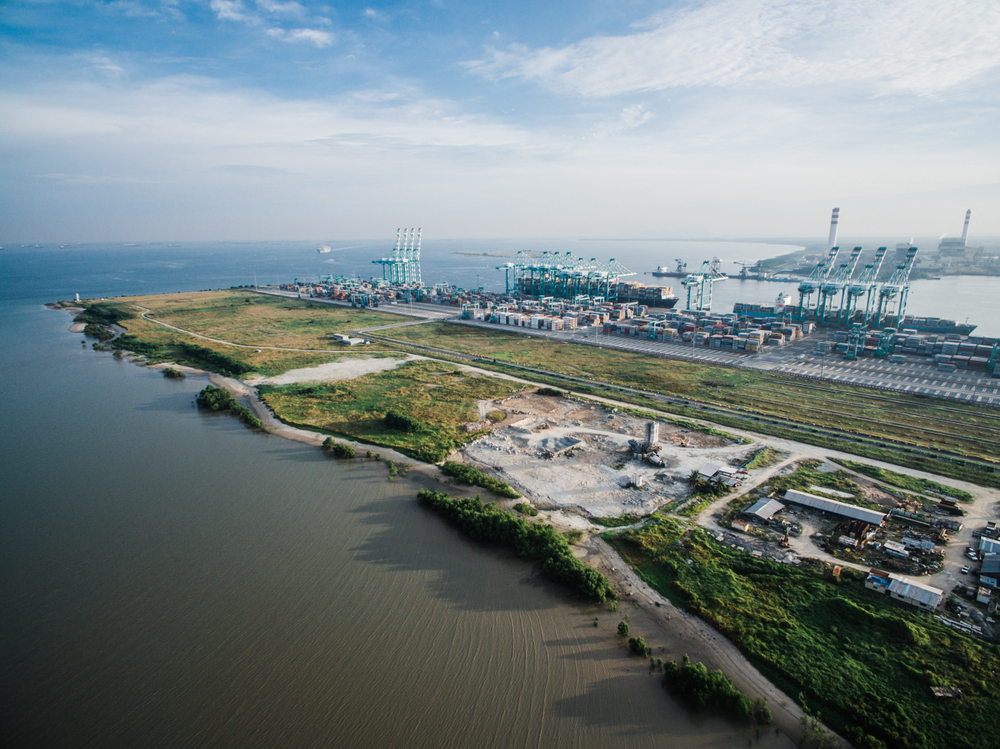
Batu Kawan Industrial Park, which is being developed into a smart, high-tech industrial park, is believed to attract more foreign investors
Malaysia’ economy grew at a fast pace in Q2 According to Bank Negara Malaysia, the full-year growth will be between 5.3 percent and 6.3 percent before slowing to 4.6 percent in 2023.
The country’ industrial real estate segment is steadily recovering despite rising inflation, reported theSun. In recent years, it has grown mainly due to the increased penetration rate of e-commerce, to which higher warehousing space requirements and the shift towards omnichannel retailing are the key contributors.
“The main concerns among manufacturers and logistics players are rising transportation costs, shortage of labour, and disruption in [the] supply chain. With more multinational companies setting up new businesses and facilities within the Asean region, Malaysia is expected to benefit from this diversification and reshaping of global supply chain strategies,” mentioned Judy Ong, research and consultancy senior executive director at Knight Frank Malaysia.
He added that the country’s industrial property market continues to entice new and potential inventors, and that many of them are venturing into large industrial and warehousing developments. Experts also believe that the segment could be the answer to Penang’s demand for logistics facilities in accordance with the growing e-commerce and logistics sector.
Batu Kawan Industrial Park, which is being developed into a smart, high-tech industrial park, for example, is believed to attract more foreign investors.
More: Malaysia’s real estate sector may return to pre-pandemic levels by 2023, experts say
Logistics in Johor are also thriving, with Tanjung Pelepas Port’s annual volume increasing, and the Free Zone’s expansion set to be complete in 2023, according to The Malaysian Reserve.
Regarding the retail property segment, Keith Ooi, group deputy managing director for Knight Frank Malaysia, stated that the Malaysian Institute of Economic Research (MIER) Consumer Sentiments Index climbed to a new high of 108.9 points in Q1 2022, which was beyond the 100-point optimism threshold. Consumers’ hope for higher incomes and more employment opportunities were key drivers for the positive score during the review period.
Along with renovations, the pandemic’s impact on customer behavior and the acceleration of digitalisation have prompted retailers and mall operators to implement omnichannel strategies in an effort to boost engagement and sales.
The Property Report editors wrote this article. For more information, email: [email protected].
Recommended

Gulf property markets trade panic for prudence
War upends West Asia, but property markets from Dubai to Riyadh refuse to break and attempt to regain their footing
Is China’s housing market finally turning a corner?
Shanghai’s property revival raises hopes, but falling prices elsewhere point to a long recovery

Opportunity or trap? What Washington’s high-tech hub outside Manila means for Philippine property
The New Clark City Economic Security Zone promises billions in investment, but at what cost to Philippine sovereignty?

What Japan’s policy rate hike means for its property market
After decades of near-free borrowing, the country's policy rate is starting to reshape the calculations behind property investment