Emerging trends in Asia Pacific’s real estate industry 2021
PwC and Urban Land Institute unveil real estate investment and development trends
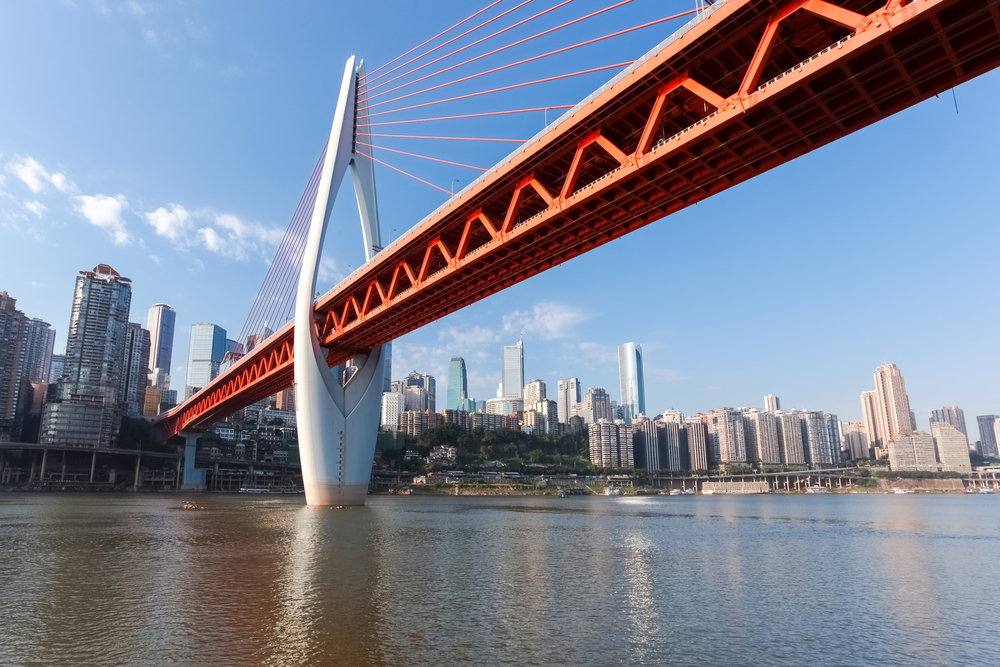
The COVID-19 pandemic has transfigured the real estate industry. Despite factors like government support and bank forbearance policies that have been propping up the industry, these are transient factors that will eventually run dry. PwC and Urban Land Institute unveil real estate investment and development trends in the 15th edition of Emerging Trends Asia Pacific.
Capital flows haven’t been exceptional in 2020, as the year had undergone a sharp decline in year-on-year transaction quantities. This moderately indicates the consequences of border restrictions fending off consumers and sellers that refuse to markdown property prices with the optimism that markets will bounce back post-vaccine distributions.
Cross-border capital flows have also declined. However, South Korea and Japan have been experiencing considerable activity, as investors pursue markets with minimal geopolitical risk and deep domestic demand.
China is also savouring cross-border capital flows for alike reasons, verifying that foreign investors still value this country as an important destination, in spite of existing tense trade relations.
More: Savills IM highlights Asia Pacific real estate opportunities
This year’s investment prospect rankings revealed a continuous preference for regional gateway cities that provide stable, liquid markets, along with dependable domestic demand.
Same as last year’s report, Singapore carries on as the top preference by investors, followed by Tokyo and Sydney as second and third ranks respectively.
Real Estate & Hospitality Leader at PwC Singapore, Yeow Chee Keong said, “2020 is a challenging year for all investments including real estate. Due to COVID-19 travel restrictions, there is a significant decline in cross-border investments. But with current liquidity, Singapore’s stable market with good quality assets has helped the country maintain its position as the city of choice for investment prospects. With the economic uncertainties leading into 2021, investors will remain cautious. In Asia Pacific, I believe selected asset classes will generally fare better compared to the rest of the world. So investors should be opportunistic when evaluating the risk-return profile.”
Recommended
Is China’s housing market finally turning a corner?
Shanghai’s property revival raises hopes, but falling prices elsewhere point to a long recovery
Opportunity or trap? What Washington’s high-tech hub outside Manila means for Philippine property
The New Clark City Economic Security Zone promises billions in investment, but at what cost to Philippine sovereignty?

What Japan’s policy rate hike means for its property market
After decades of near-free borrowing, the country's policy rate is starting to reshape the calculations behind property investment

A conversation with the head of Vietnam’s Green Building Council on the cost of doing nothing
The VGBC’s Douglas Snyder argues that the real cost developers should fear isn’t building green. It’s failing to do so