Wuhan virus prompts Singapore-listed firms in China to opt for shorter hours, temporary closures
With property giant CapitaLand, who owns 53 malls in China, the latest to follow such precautionary measures
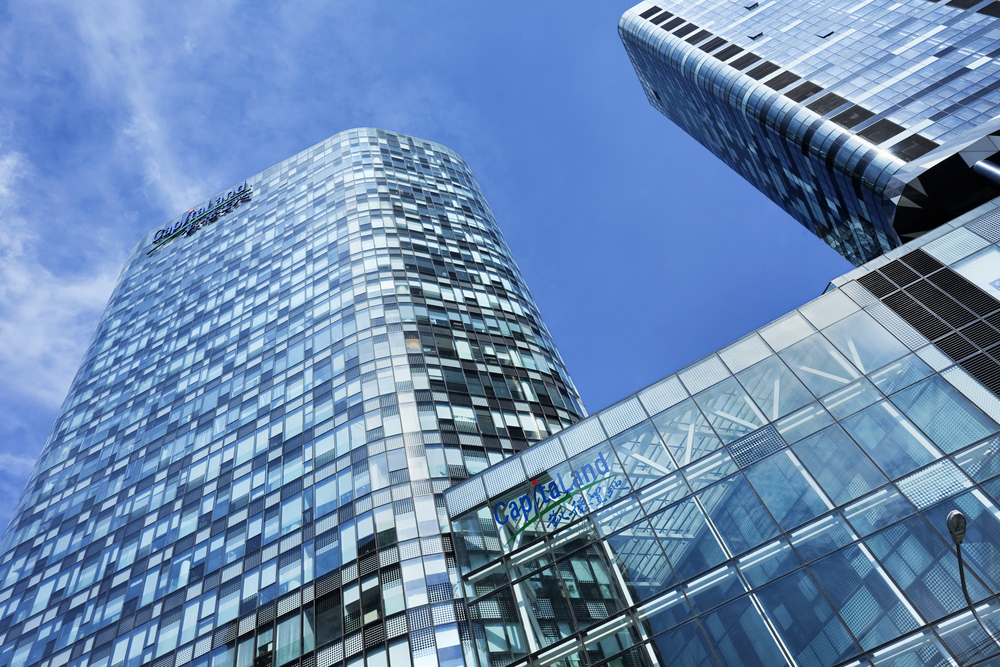
Several Singapore-listed businesses in China announced that they have temporarily closed their offices or reduced their hours amid the coronavirus outbreak, reported CNA.
On Wednesday, CapitaLand closed six of their malls in China, four of which are in Wuhan where the virus originated and two in Xi’an, as ordered by local governments. They told the media that they will resume operations when “local conditions permit.”
However, its supermarkets — CapitaMall Westgate in Wuhan and CapitaMall Xindicheng in Xi’an — remain open to ensure that the local communities still have enough supply of food and other daily necessities.
Meanwhile, their remaining 45 malls in Beijing, Shanghai, and other cities are still operating, but with shorter hours. They said that they are regularly evaluating their hours based on local regulations and conditions.
More: Escalation of Wuhan virus threatens more retail sales loss in Hong Kong amid protests
CapitaLand’s property offices in Chongqing, Guangdong, Shanghai, and Zhejiang are closed until 9 February as required by local governments.
Other Singapore-listed companies revealed on Tuesday that they have conducted similar preventive measures.
Dasin Retail Trust said that they have cut down the operational hours of their five malls in China, as well as closed crowded places inside these malls, such as karaoke lounges and cinemas.
Sasseur Real Estate Investment Trust also revealed that they have temporarily closed their four outlet malls in Bishan, Chongqing, Hefei, and Kunming.
As of Thursday morning, the death toll had risen to 170 in China, while confirmed cases are now over 7,700, according to The Washington Post.
Recommended

A conversation with the VGBC’s executive director on the risk of not building green
The Vietnam Green Building Council's Douglas Snyder argues that the real cost developers should fear isn't building green

These 6 projects are among Asia’s greenest in 2026
Proof that better buildings are defined as much by how they operate as how they look
Indonesia’s property market feels the pinch of a reeling rupiah
As Jakarta tightens its grip on strategic minerals, investors are fleeing, leaving the property sector in limbo
Japan’s cities boom as rural towns hollow out
Millions of homes sit abandoned as the forces reshaping Japan's property market pull in opposite directions