Asia’s cities reap rewards from smart solutions
Overheating Asian metropolises remain plagued by traffic congestion, unregulated and unplanned development, and a lack of buy-in from the top to tackle pressing energy and sustainability concerns. But with great challenges come ‘smarter’ opportunities to plan, design, and build cities better
Today’s cities are not as smart as they think they are. At least not according to Charles Reed Anderson, who leads the IoT (internet of things) advisory firm CRA Singapore. During the Internet of Things World 2018 conference in California, Anderson branded the construction industry “laggards” in adopting new technology.
“Do you really see it today?” Anderson asked the crowd of business leaders and millennial tech entrepreneurs. “How many solutions do you see that are truly transforming your life?”
As we approach the third decade of the 21st century, property development is growing at a rate of just one percent per year versus an average of 2.8 percent across all industries, according to Anderson.
More: How Asian cities are catering to the public
The need for radical solutions to urban problems from population growth to climate change draws ever closer. Over 50 percent of Asia’s population currently lives in cities, more than a five percent growth over 10 years. According to the UN, that number is likely to be at 70 percent by 2050.
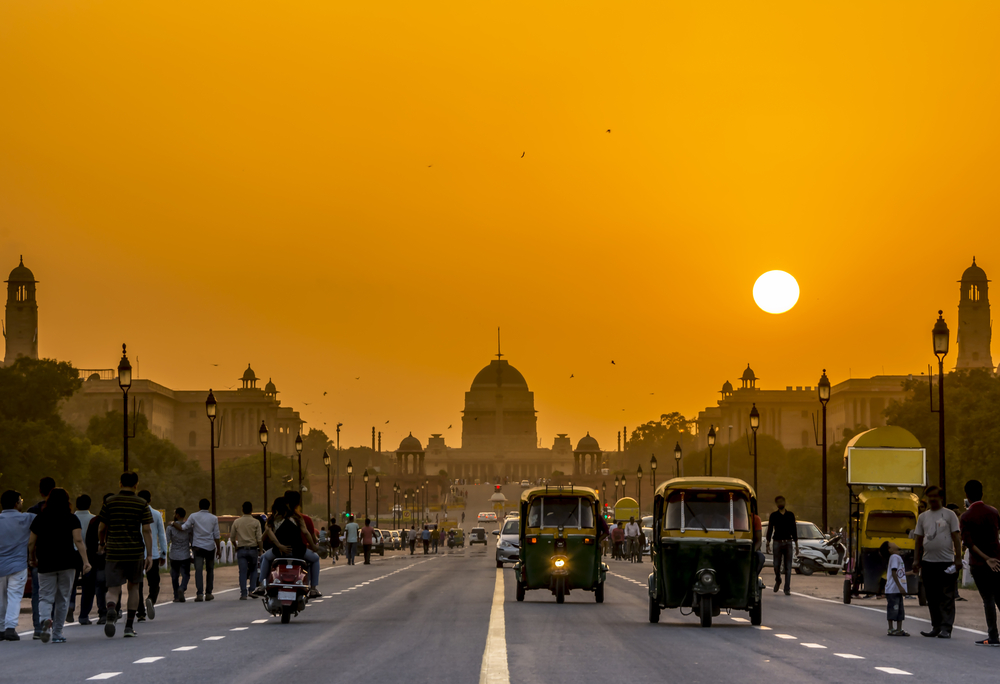
Meanwhile, core Asian metropolises from Jakarta to Delhi remain plagued by traffic congestion, sprawling, unregulated development, and a wilful lack of substantive measures to tackle energy consumption and resource management.
But with these challenges brings opportunity to revolutionise how we approach infrastructure, homes, transport and the workplace, and build dynamic cities prepared to grow economically while preserving resources and offering liveable, green environments. Here, we examine four of the key issues that cities around Asia must address if they are ever to see a smart future.
This article is the first in a five-part series. It originally appeared in Issue No. 153 of PropertyGuru Property Report Magazine. Read the second, third, fourth and fifth parts
Recommended
A conversation with the VGBC’s executive director on the risk of not building green
The Vietnam Green Building Council's Douglas Snyder argues that the real cost developers should fear isn't building green

These 6 projects are among Asia’s greenest in 2026
Proof that better buildings are defined as much by how they operate as how they look
Indonesia’s property market feels the pinch of a reeling rupiah
As Jakarta tightens its grip on strategic minerals, investors are fleeing, leaving the property sector in limbo
Japan’s cities boom as rural towns hollow out
Millions of homes sit abandoned as the forces reshaping Japan's property market pull in opposite directions